Varasova
Adventure
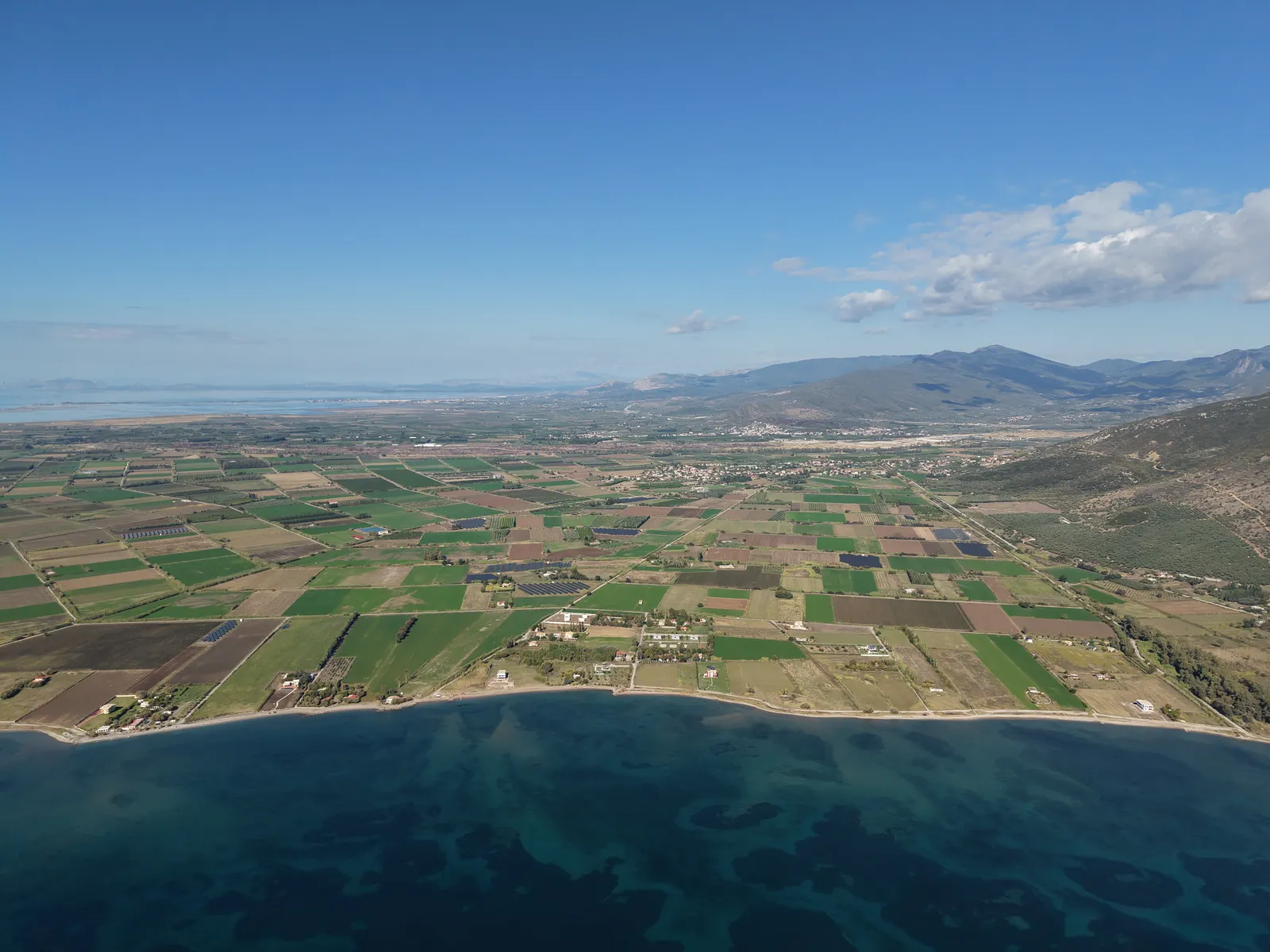
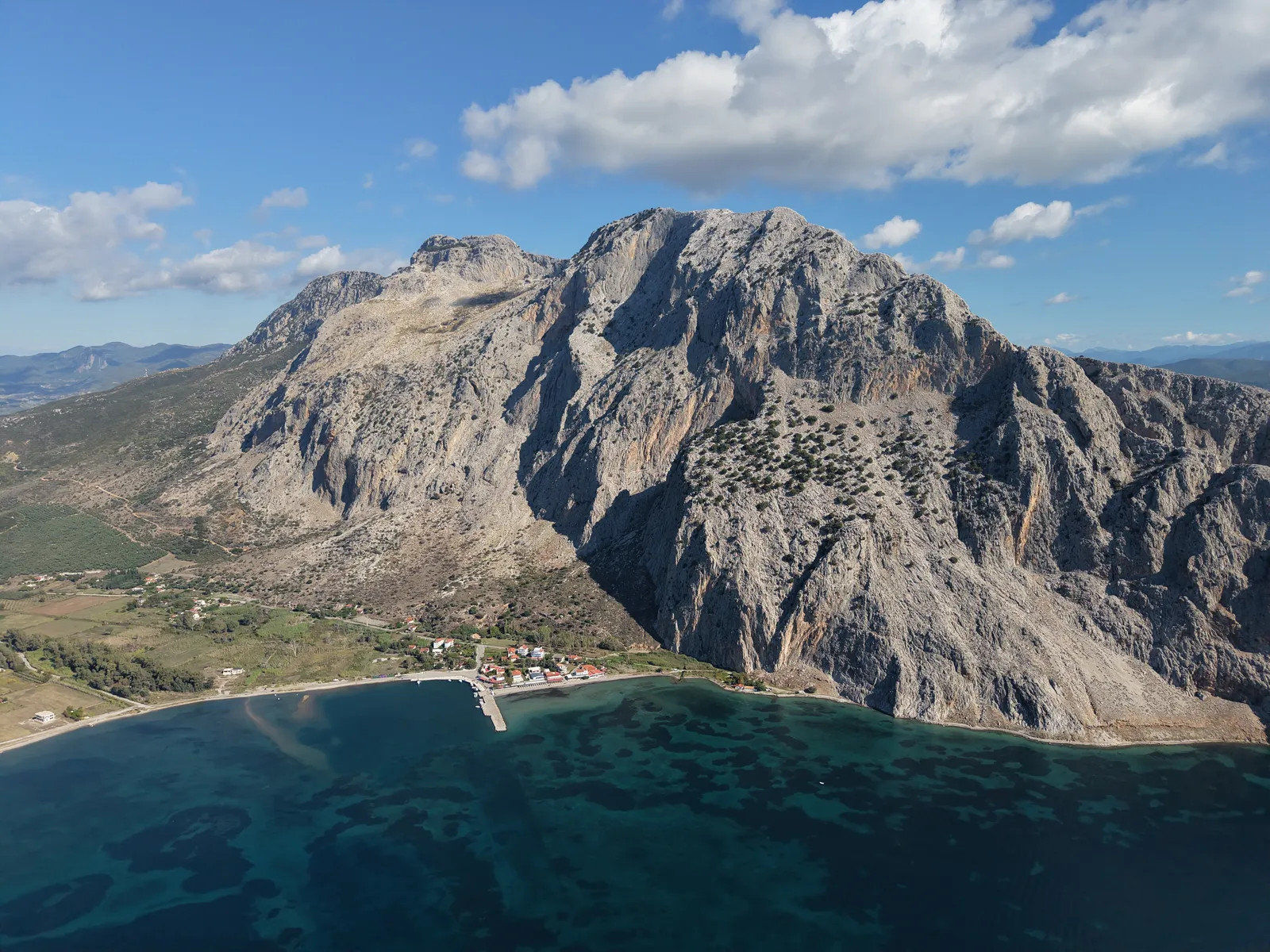
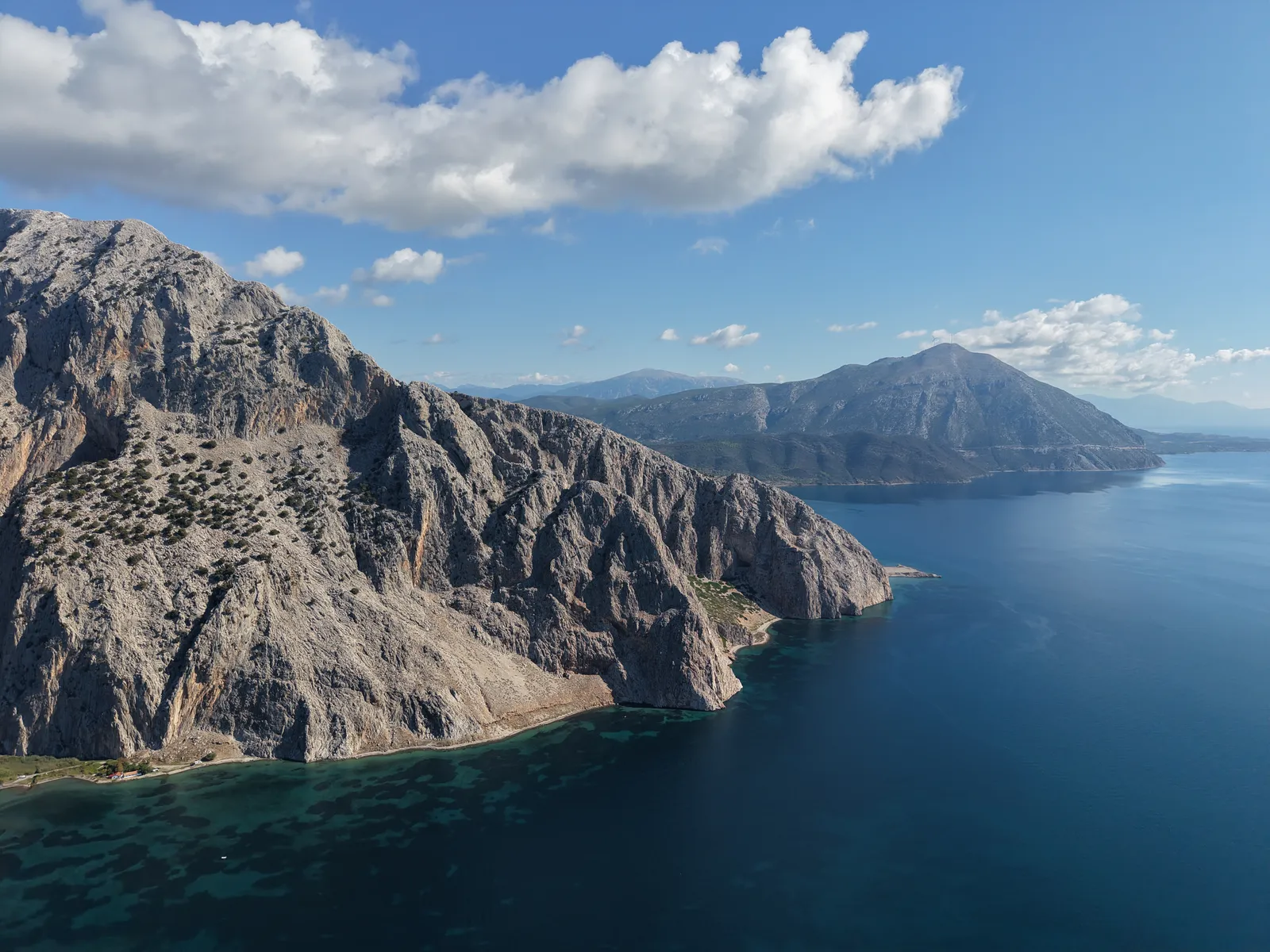
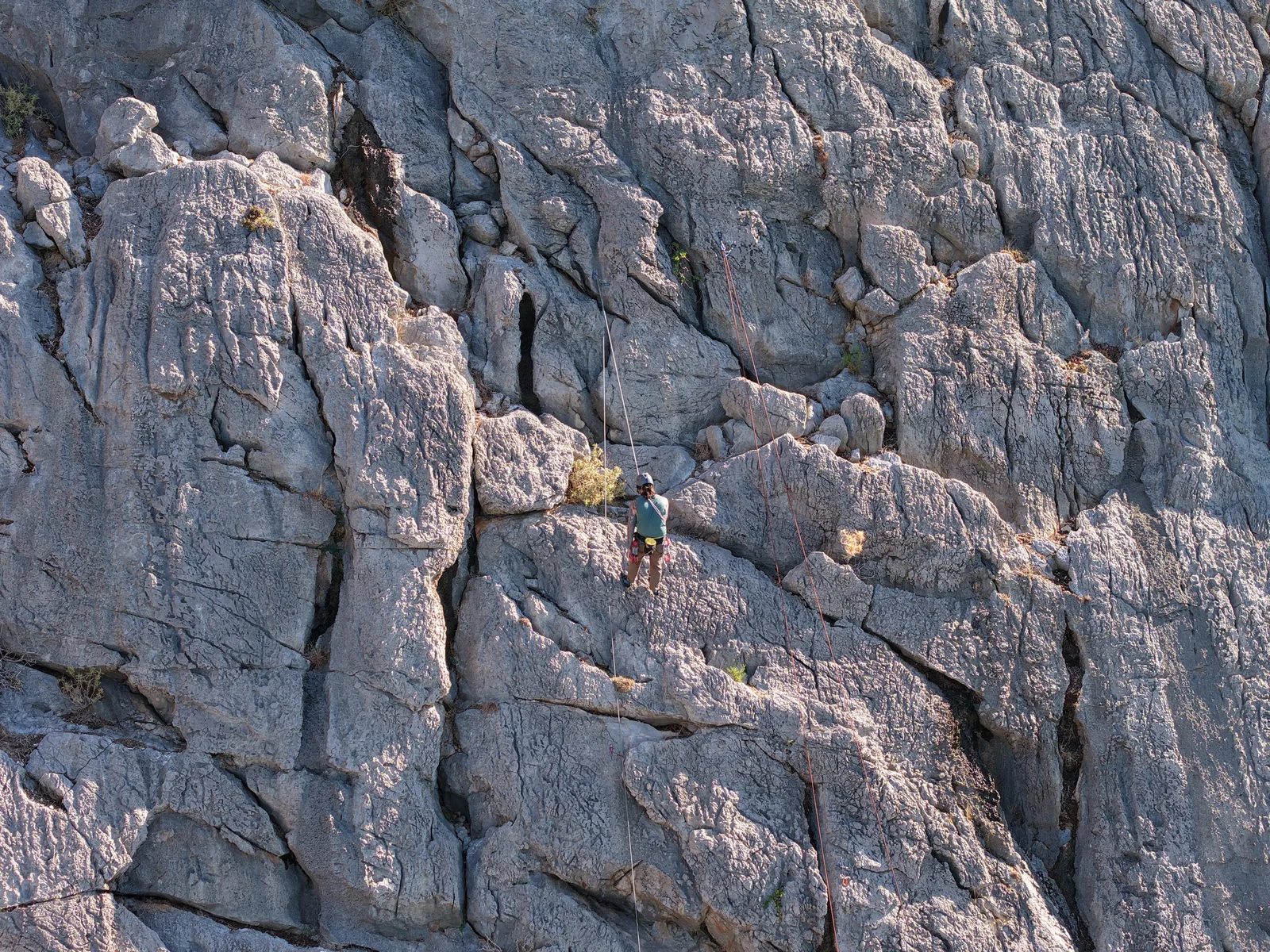
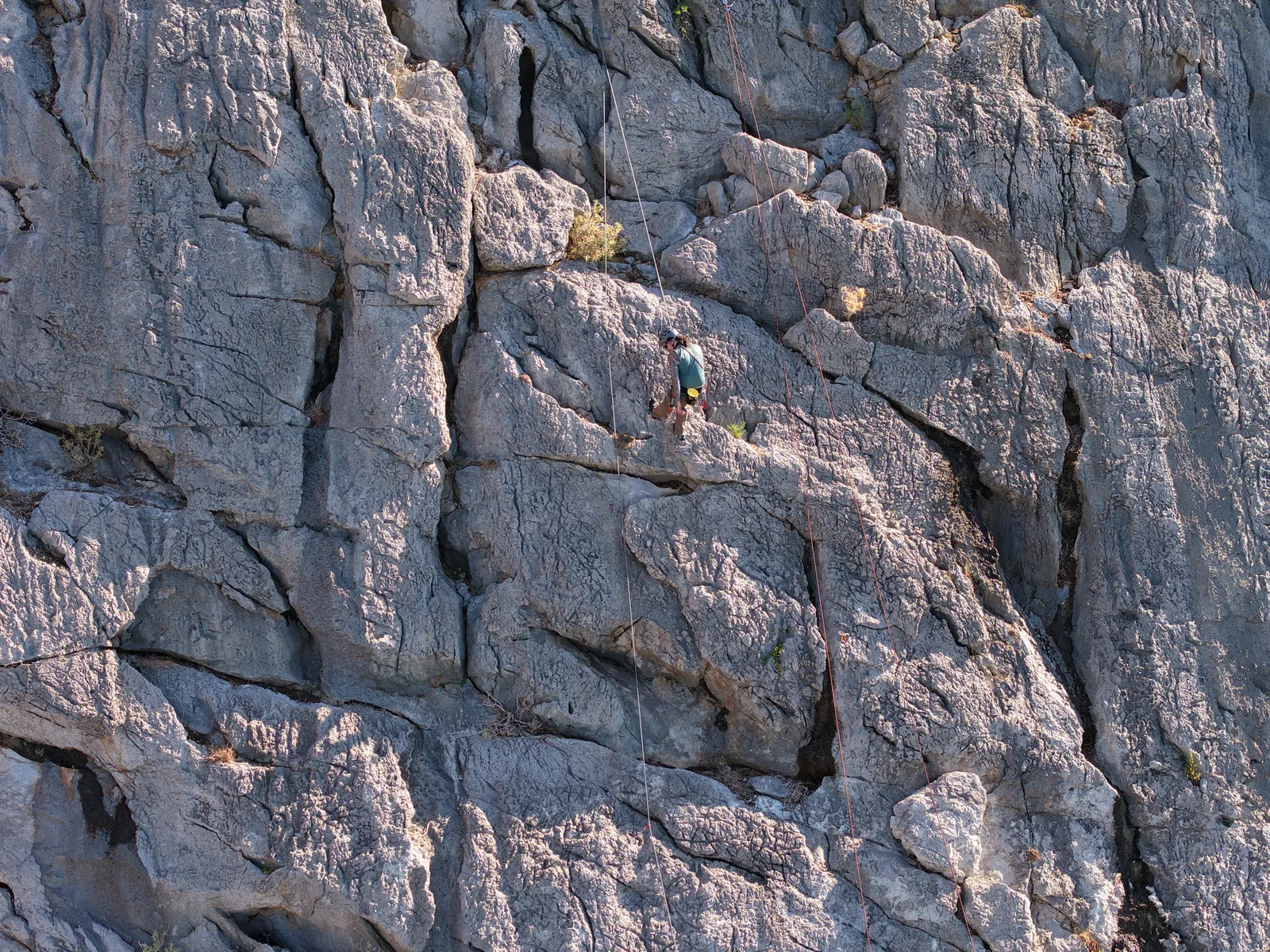
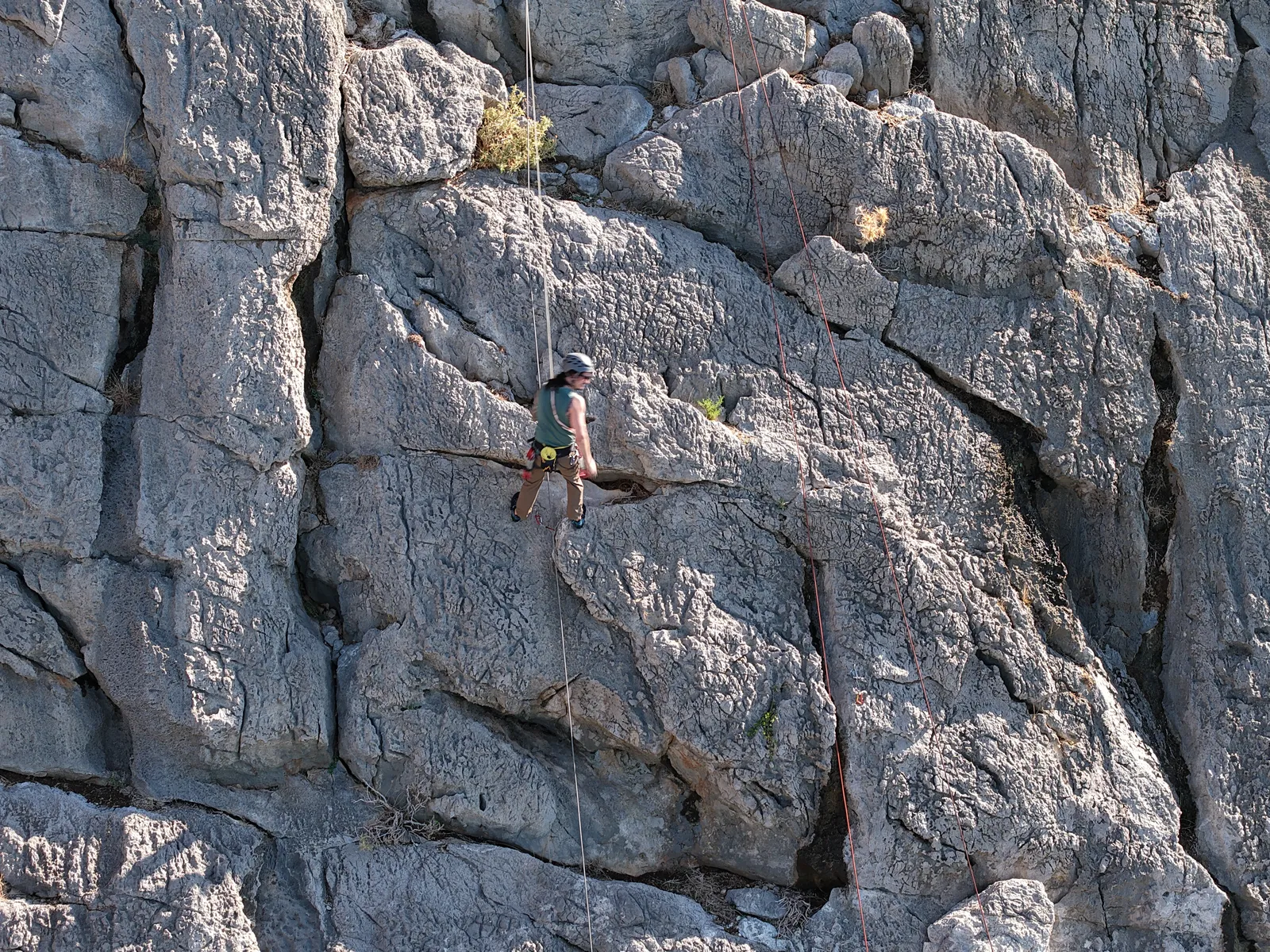
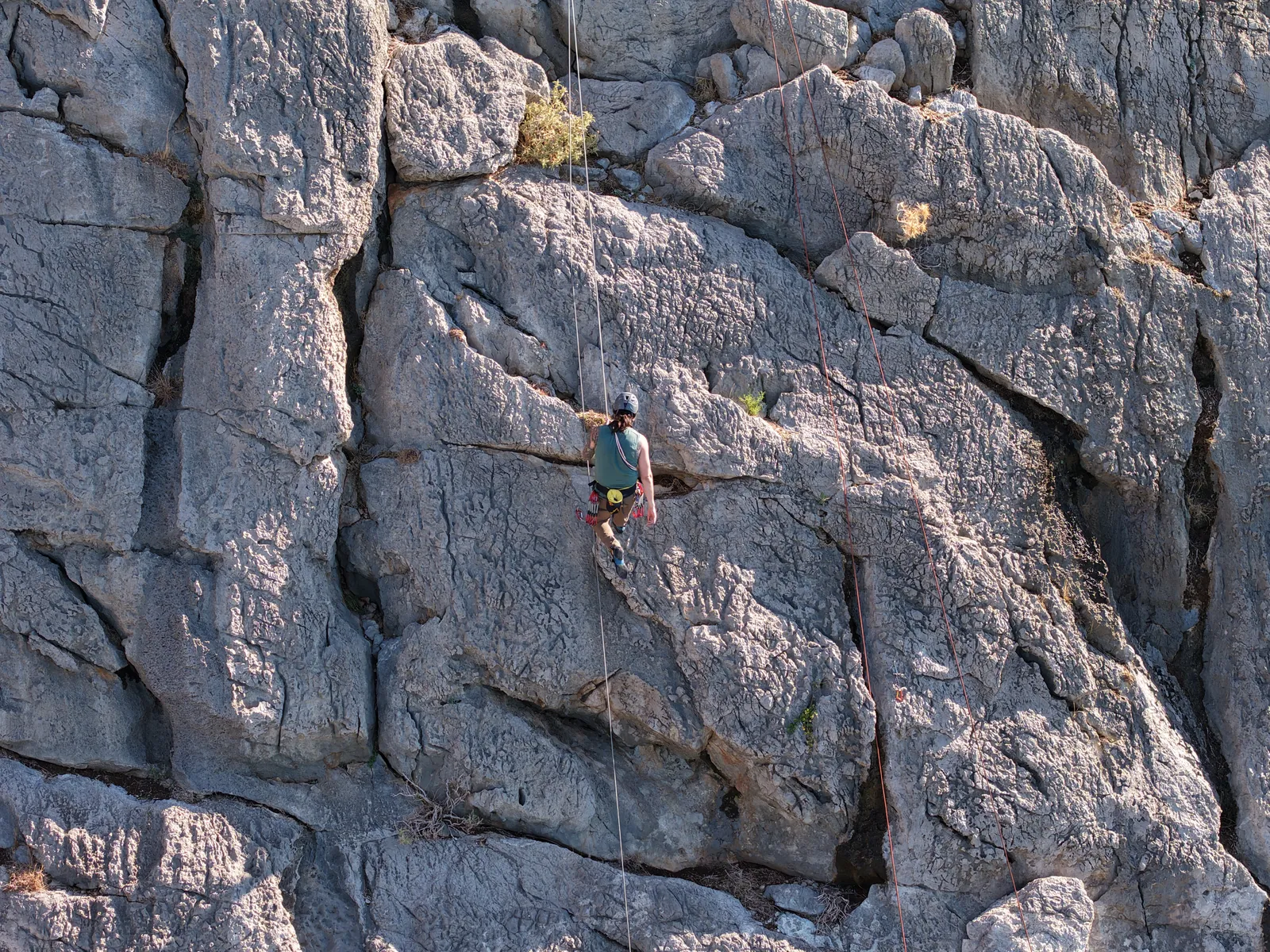
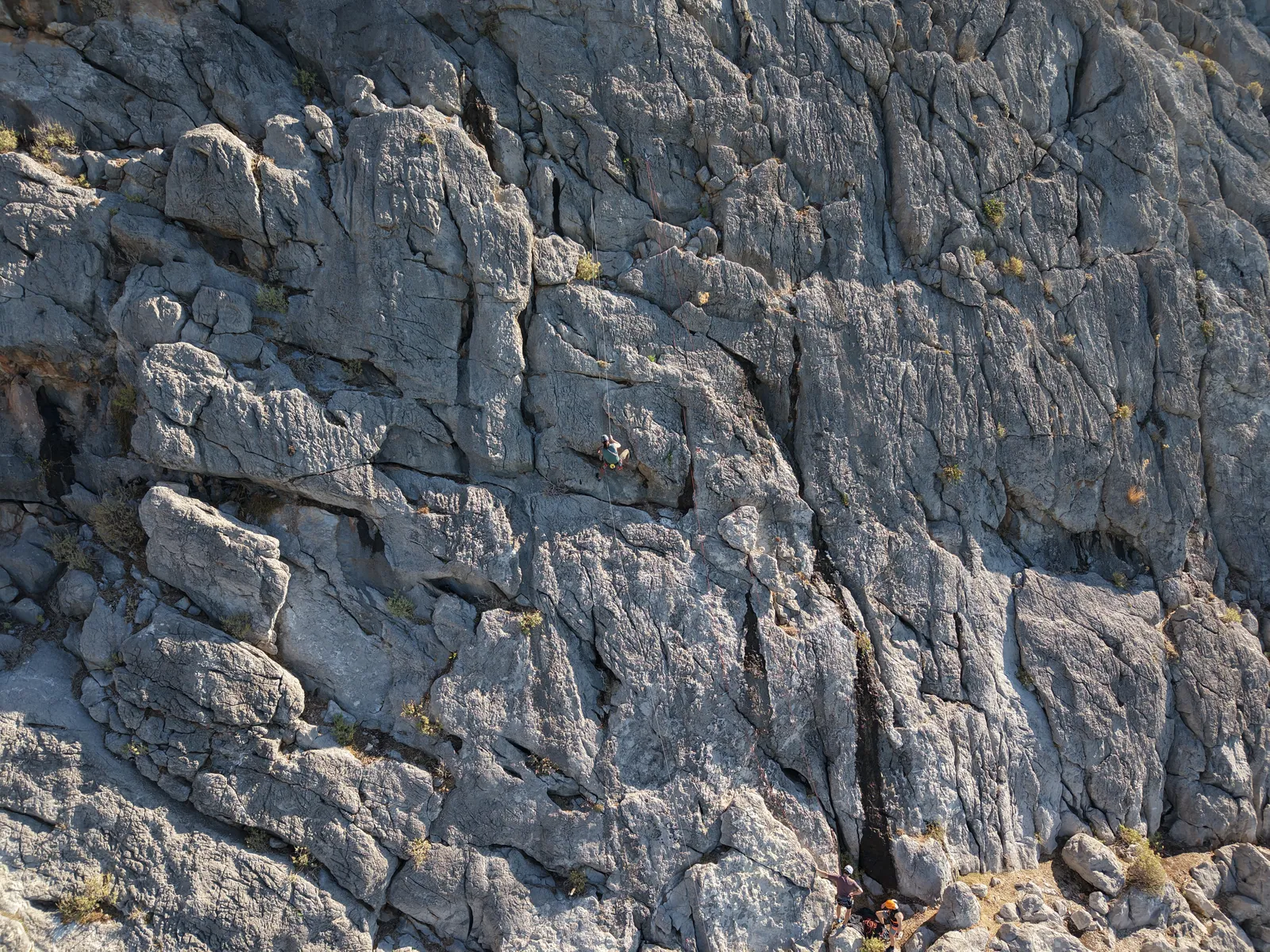
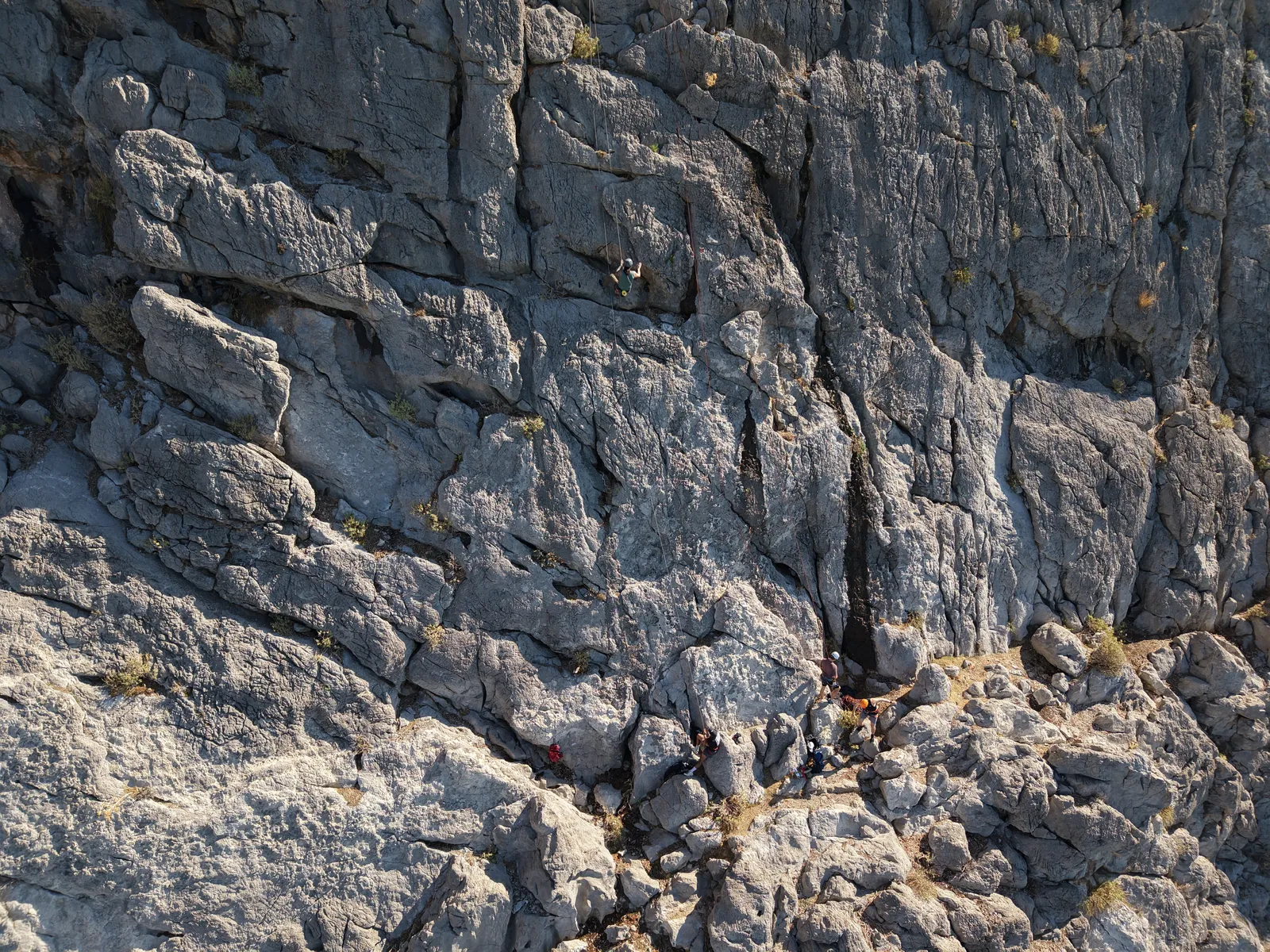
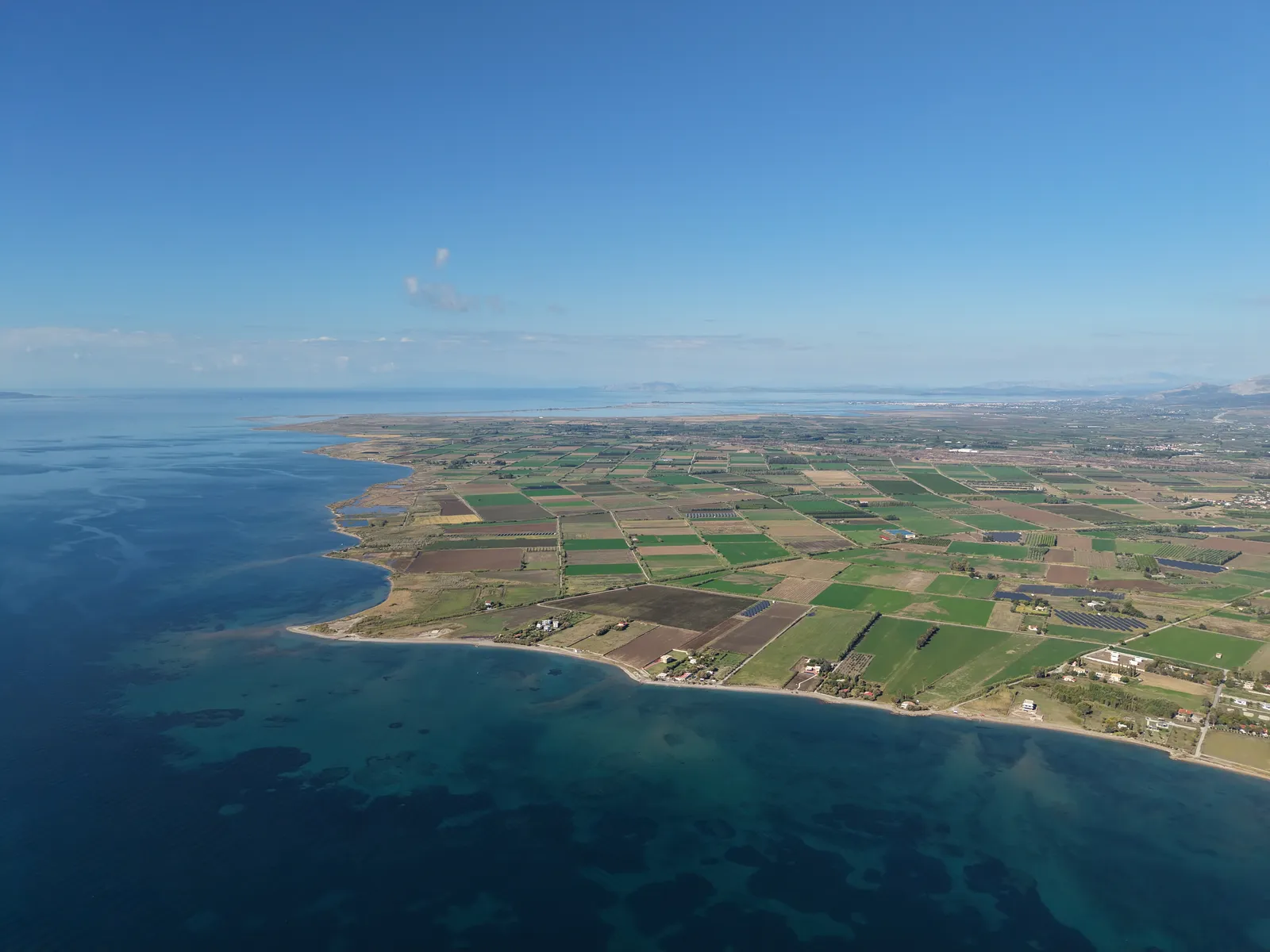
Varasova, included in the Natura 2000 network, lies within the nature protection zone (terrestrial area) of the Management Body of the Messolonghi–Aetoliko Lagoon. It has been designated as an area of outstanding natural beauty, serving as a center of great ecological and cultural significance.
Its fauna includes species that permanently inhabit its mountain slopes, while its flora stands out for the uniqueness and rarity of many plant species that grow there.
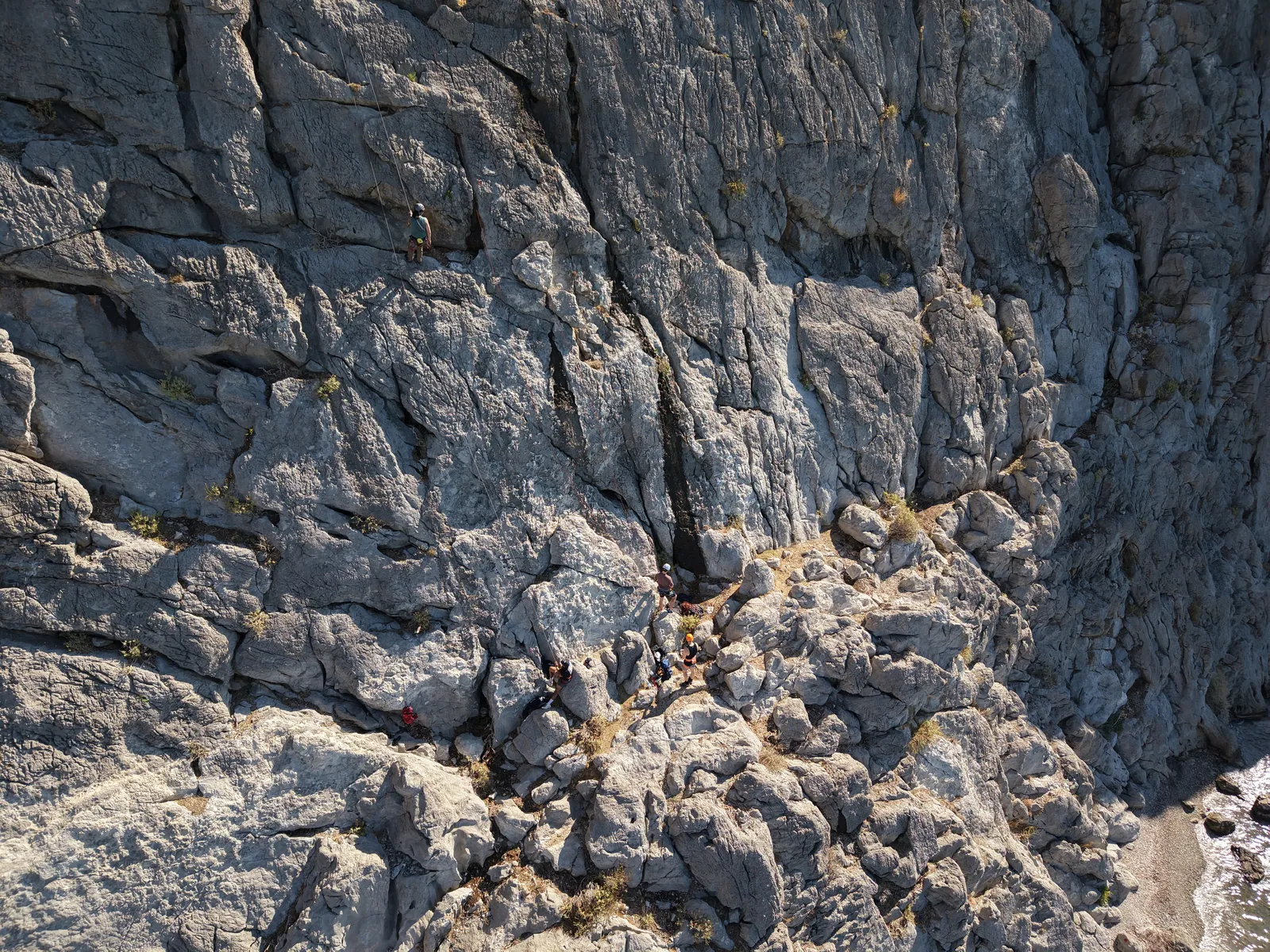
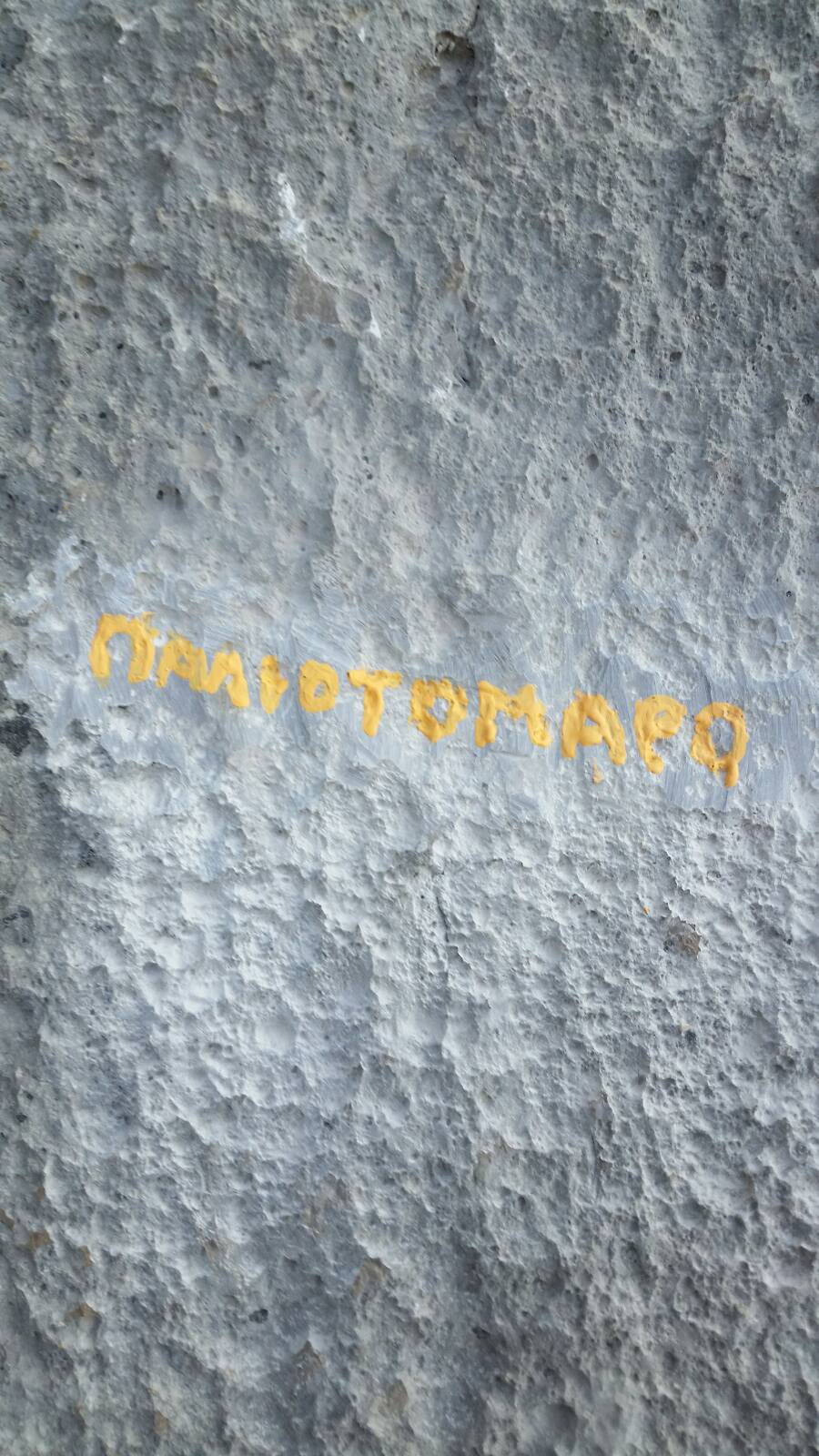
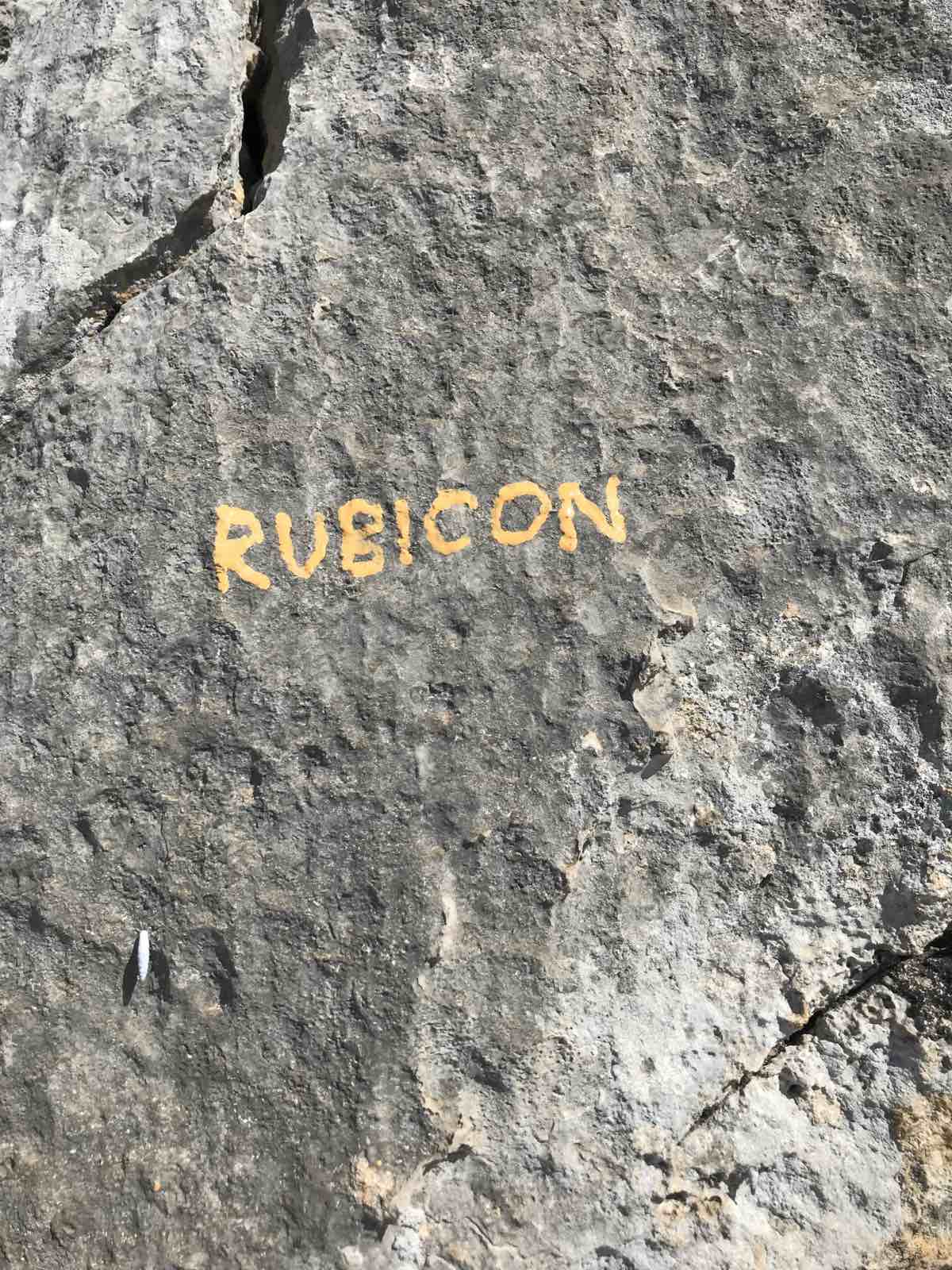
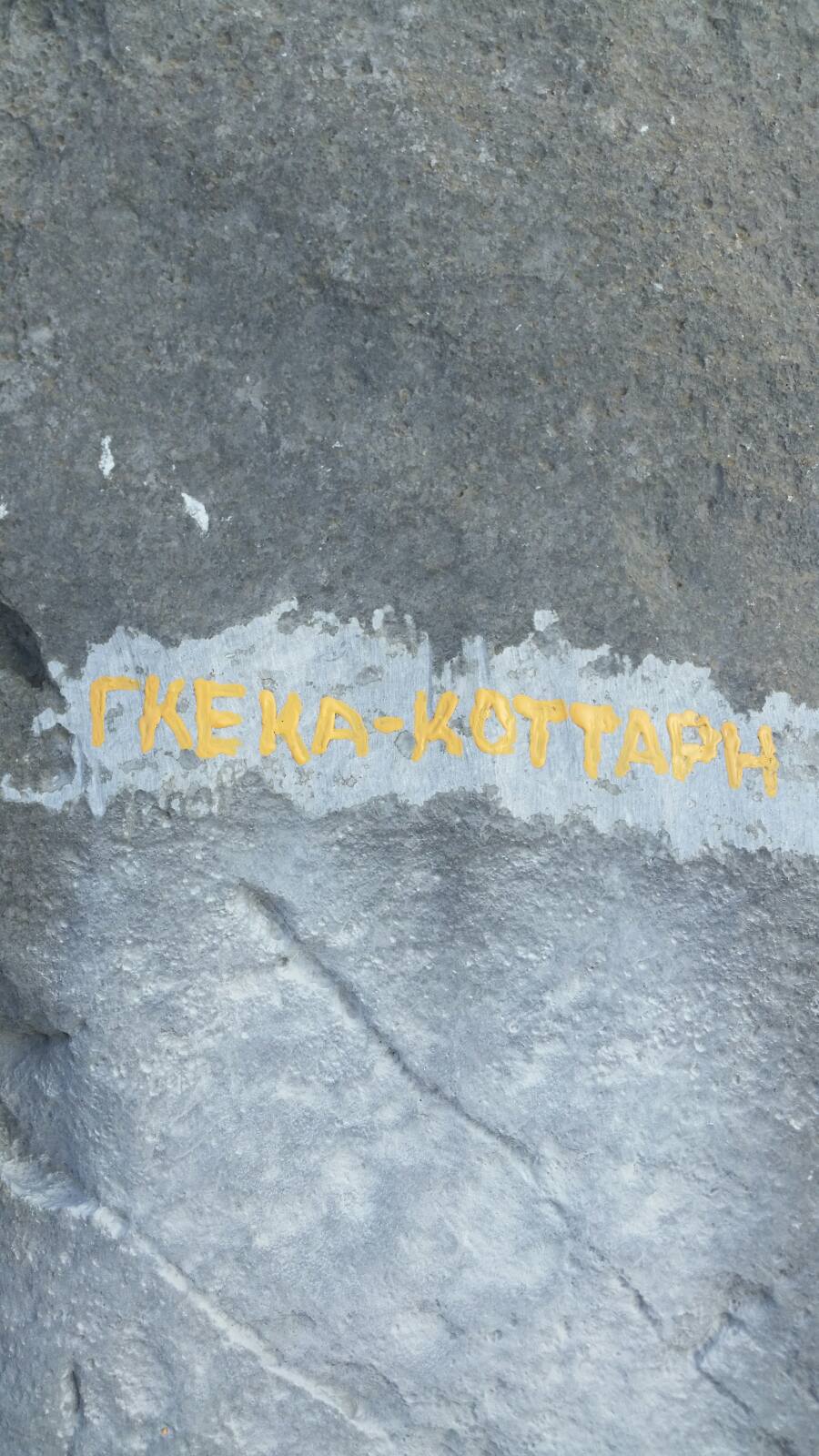
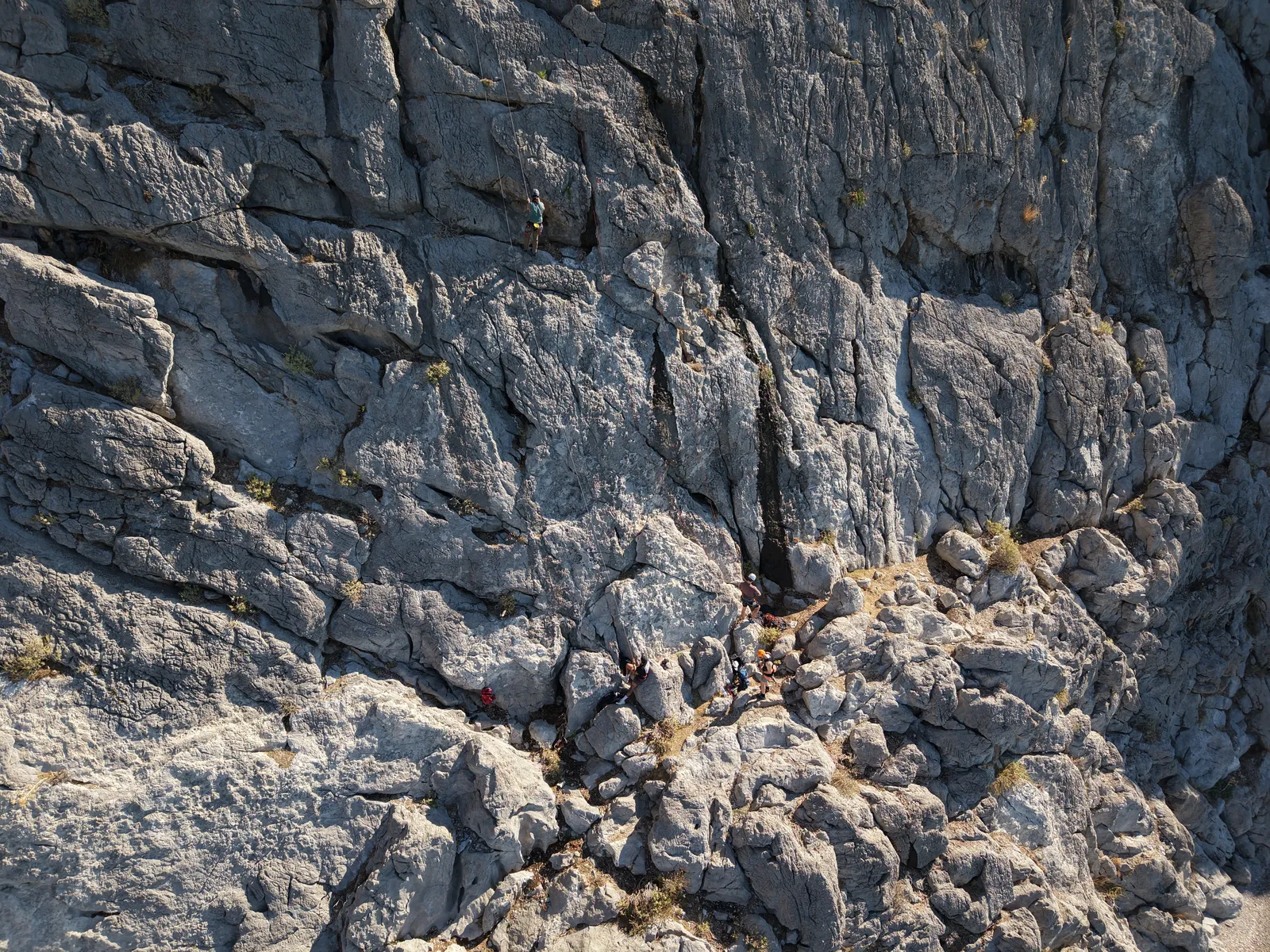
During the 1980s and 1990s, Varasova became a famous and beloved climbing crag for Greek climbers, before being “succeeded” by newer climbing destinations such as Kalymnos and Leonidio.
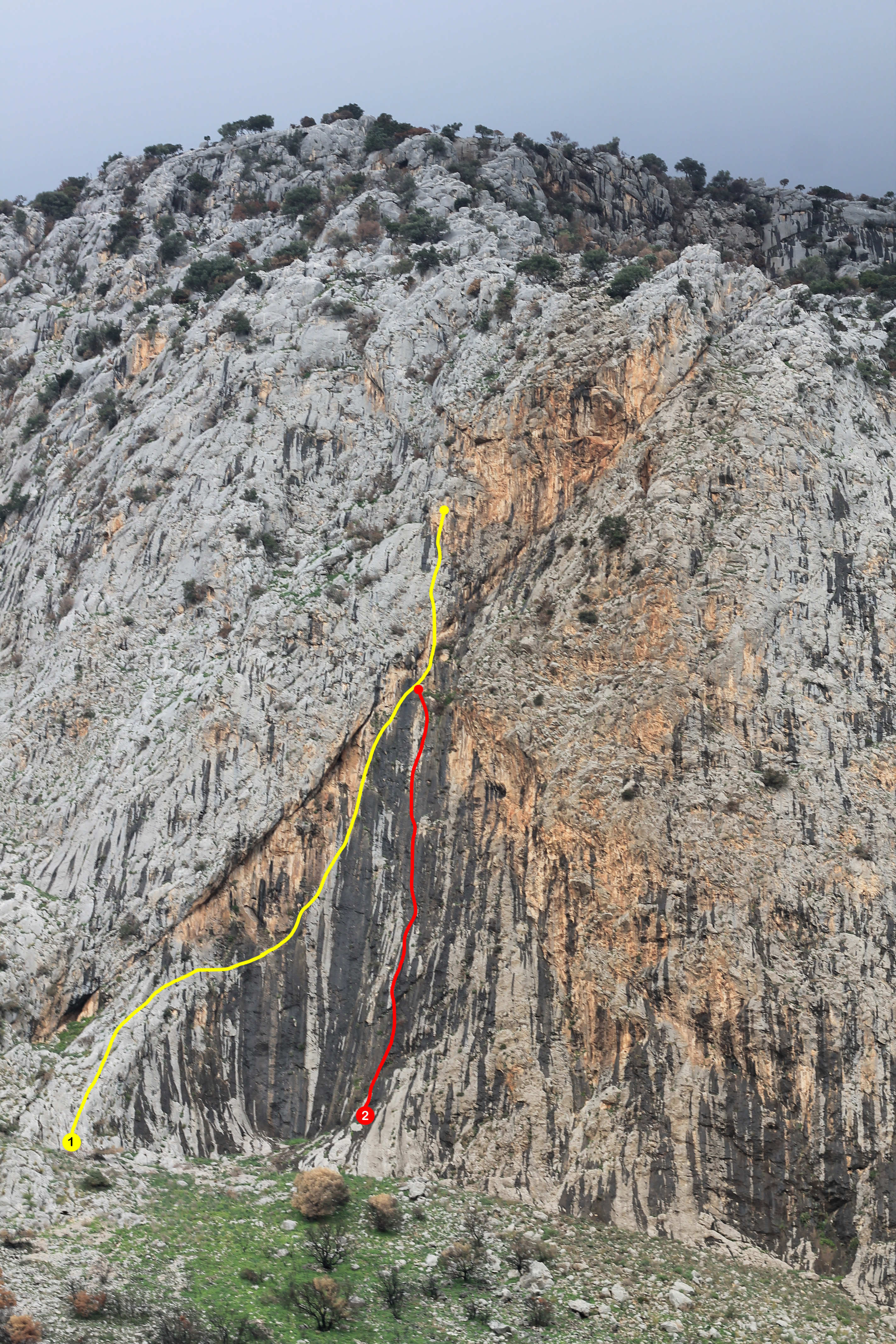
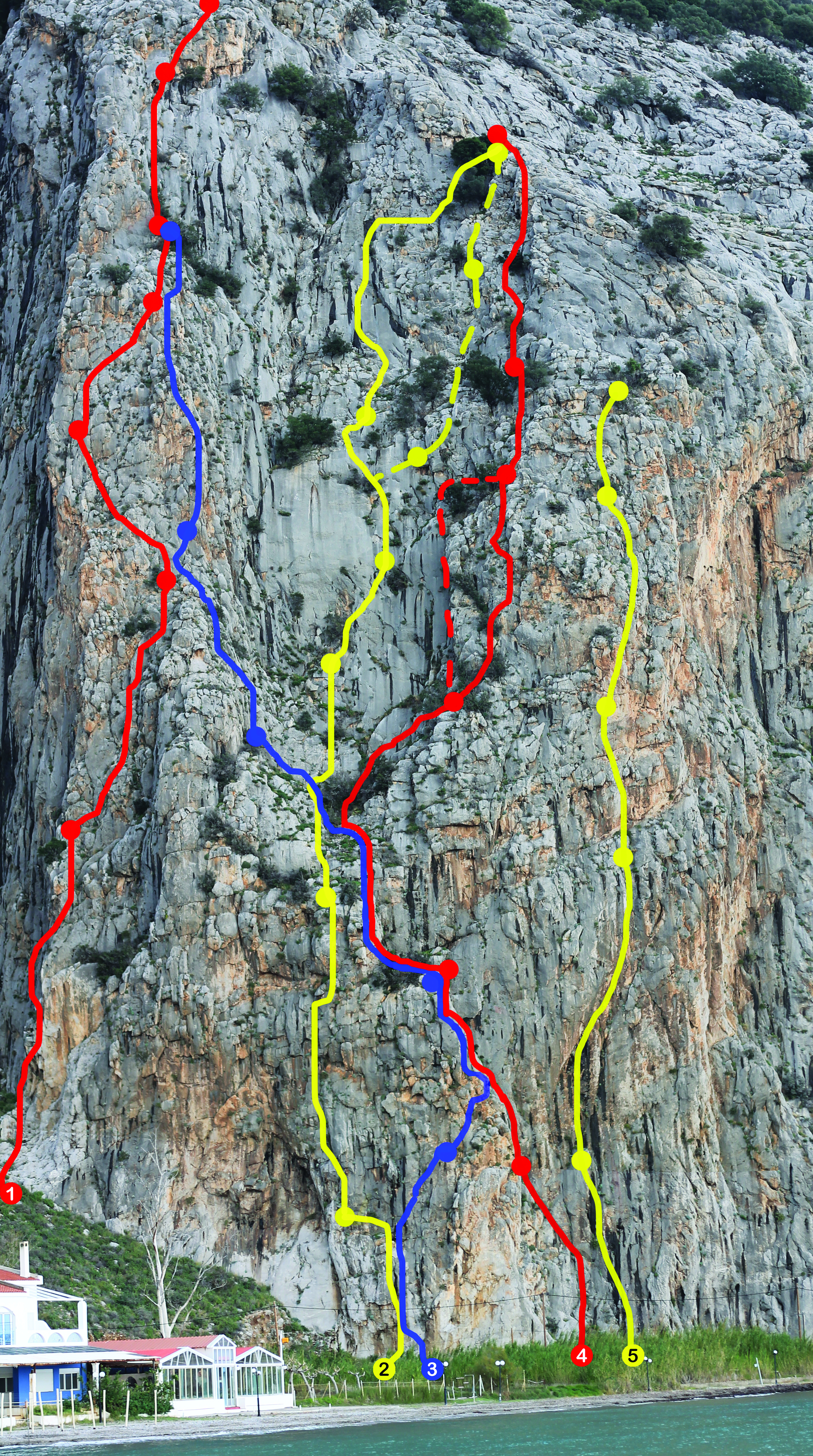
In 1978, the German climbers N. Mailander and E. Schillinger opened the legendary Batman route, featuring a short section of aid climbing on the roof. Shortly afterward, British climber Pete Livesey visited Varasova and, in an impressive performance, made the first on-sight free ascent of Batman with characteristic ease.
From that moment on, Varasova became a core center for the development of Greek climbing. During the 1980s, many new and modern routes were established, transforming the mountain into a popular climbing destination and contributing to the advancement of climbing standards in Greece.
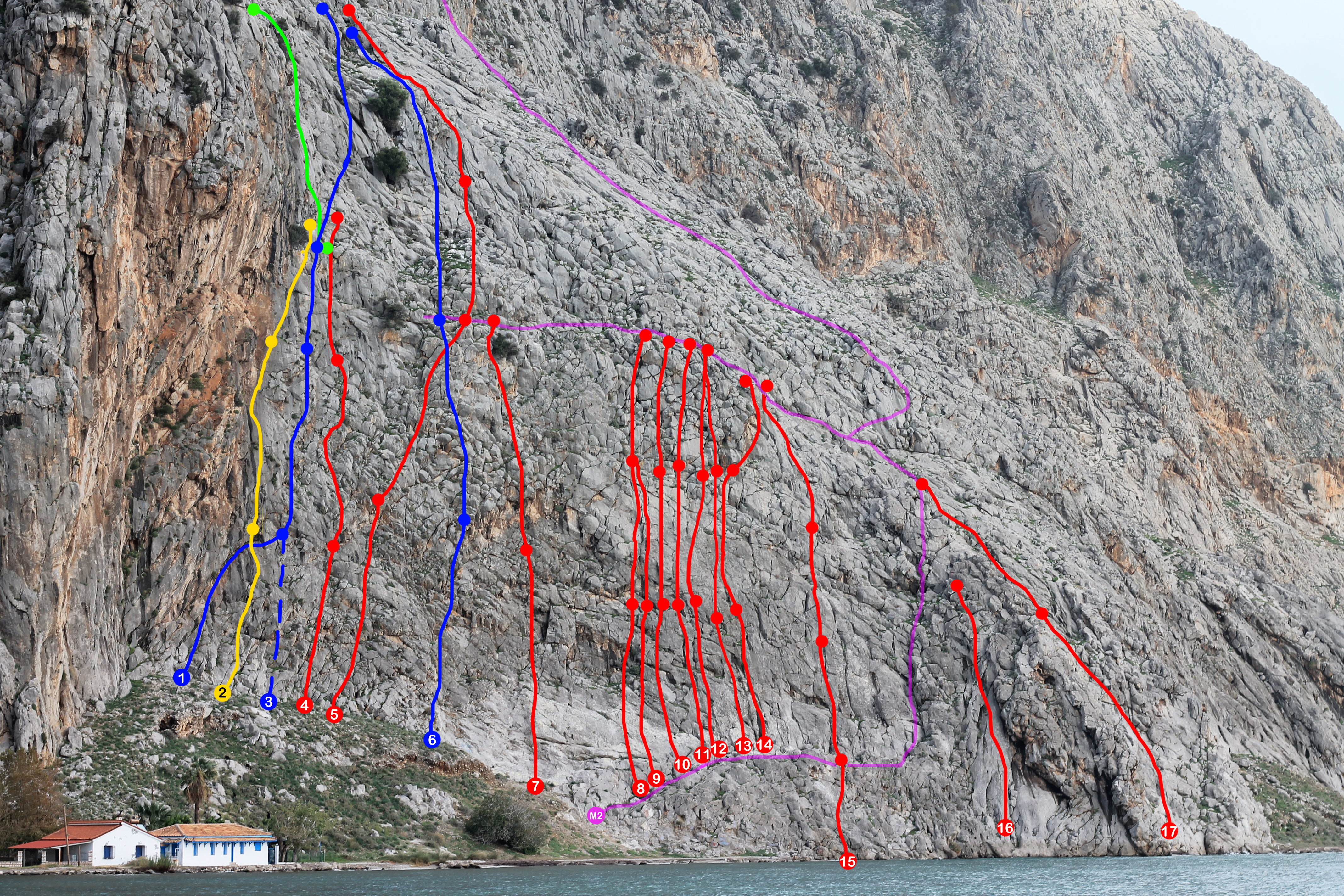
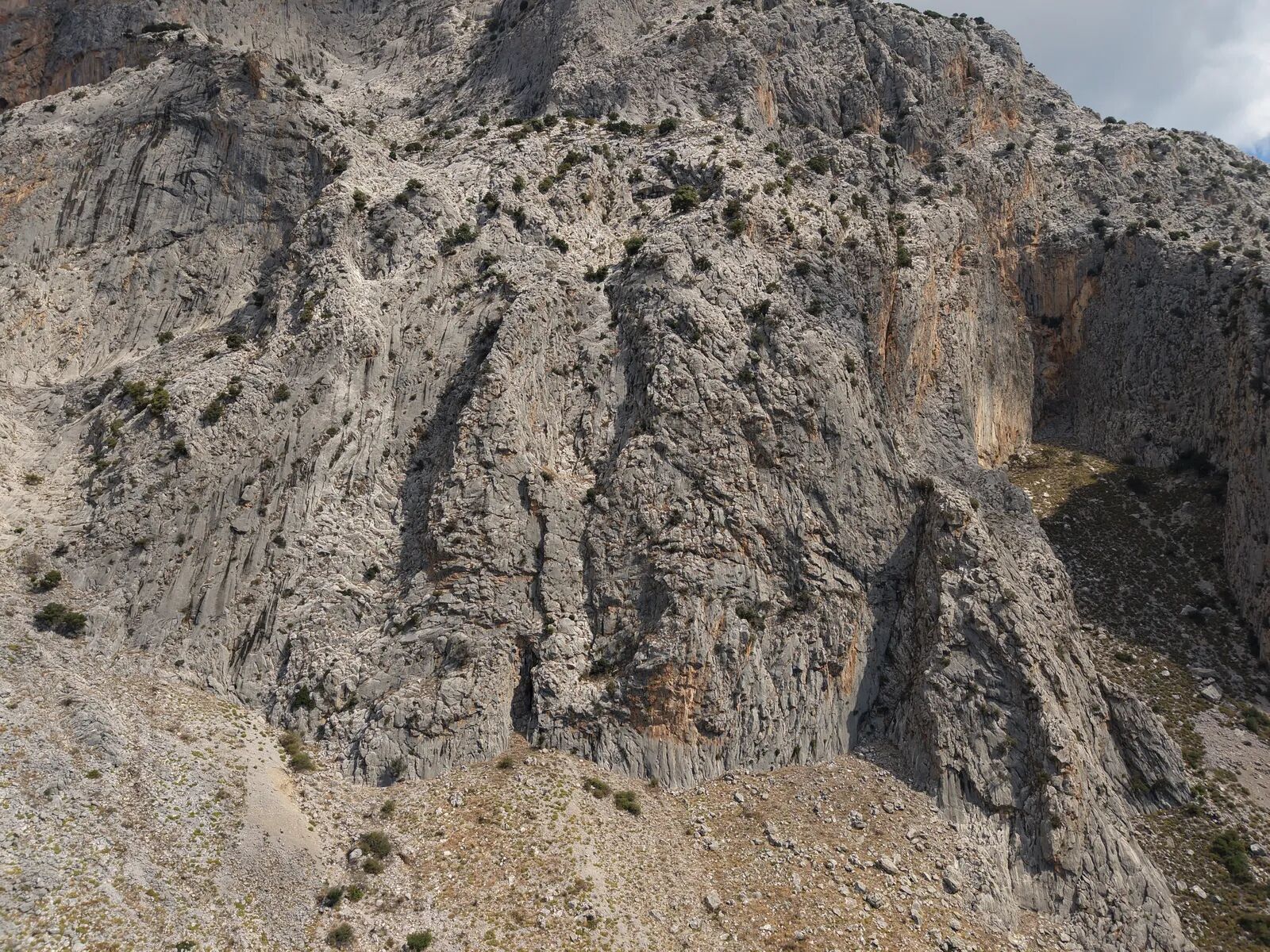
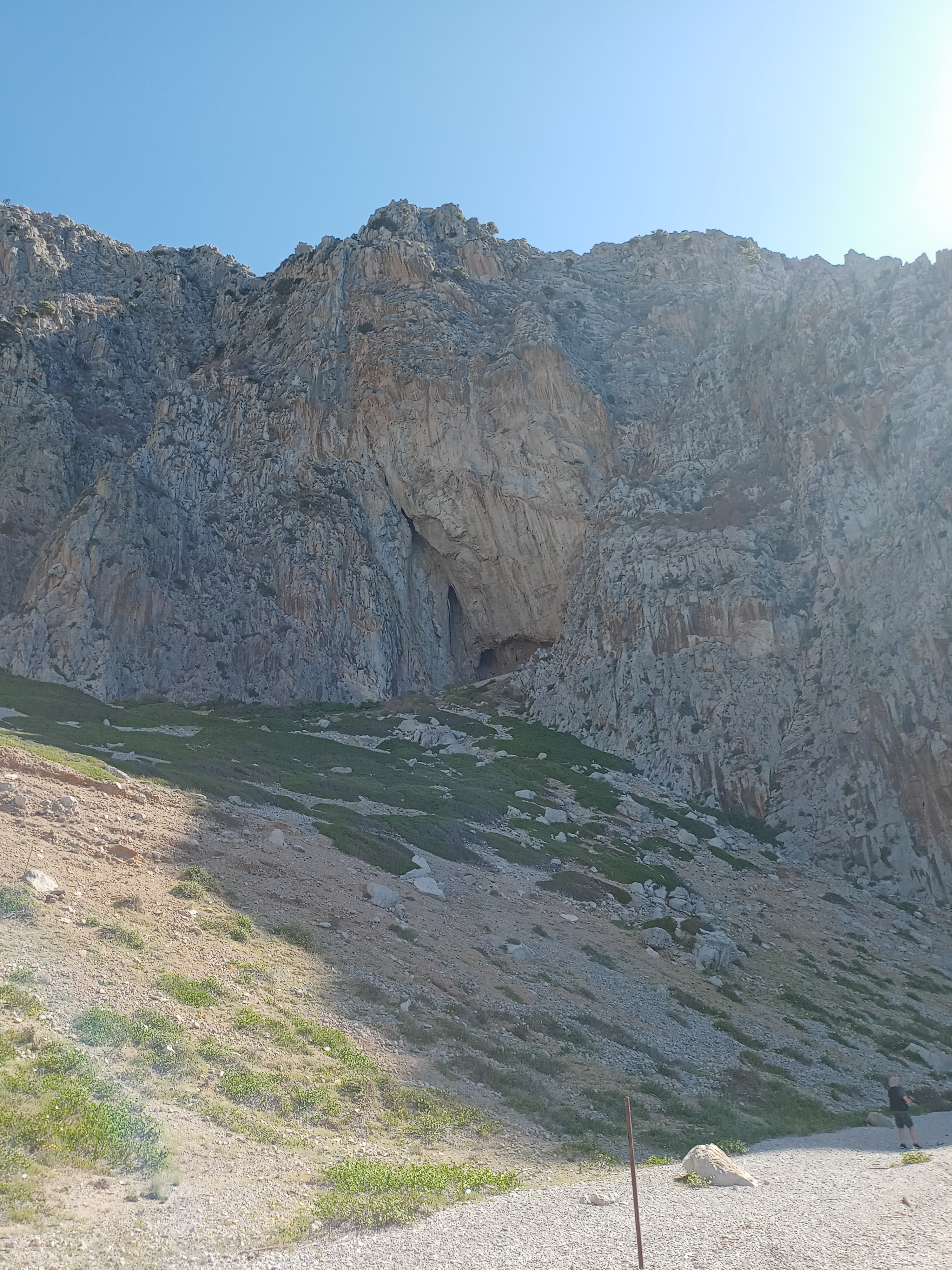
The vertical wall above the spring is still considered the most important and demanding climbing sector of Varasova.
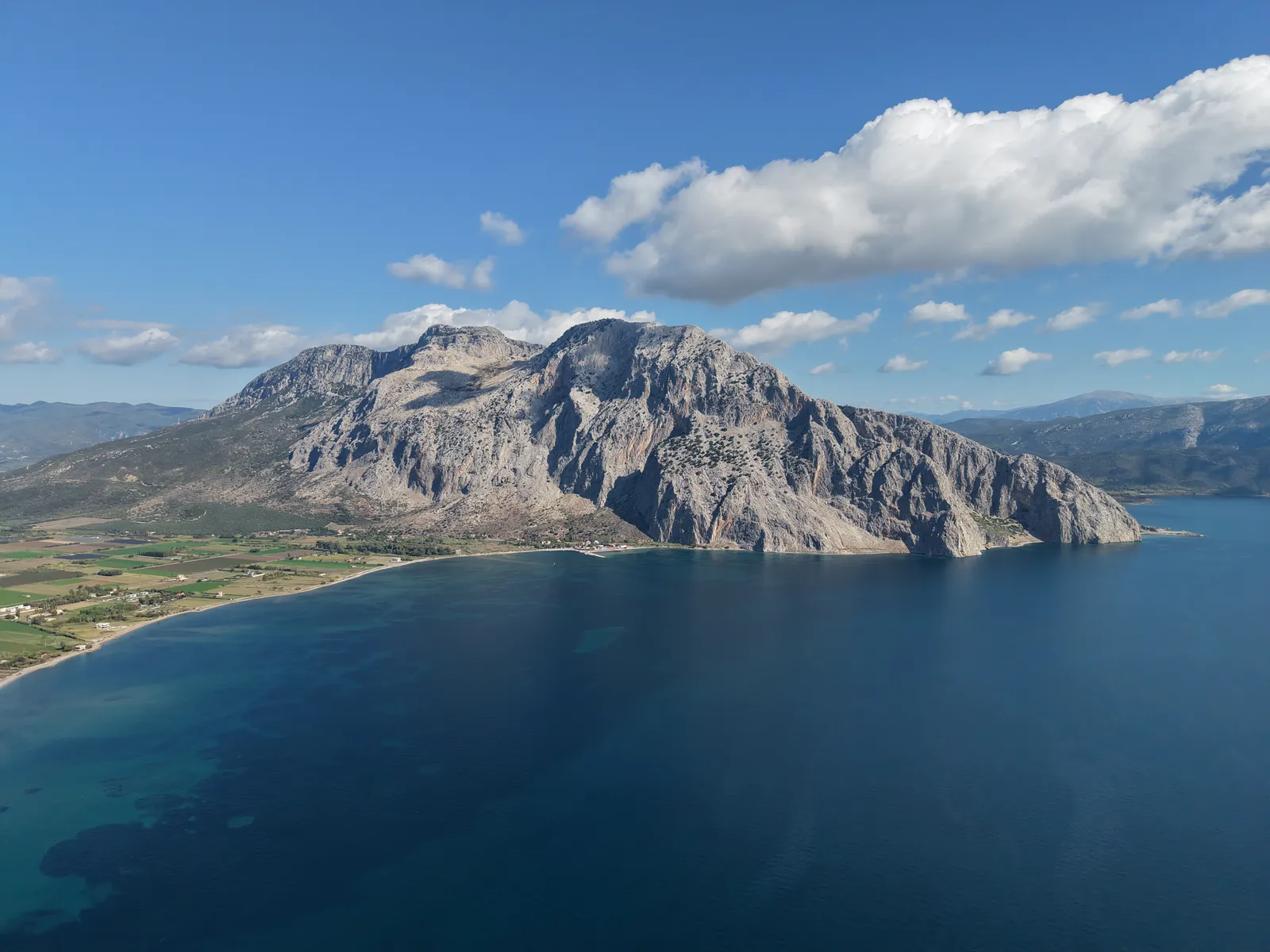
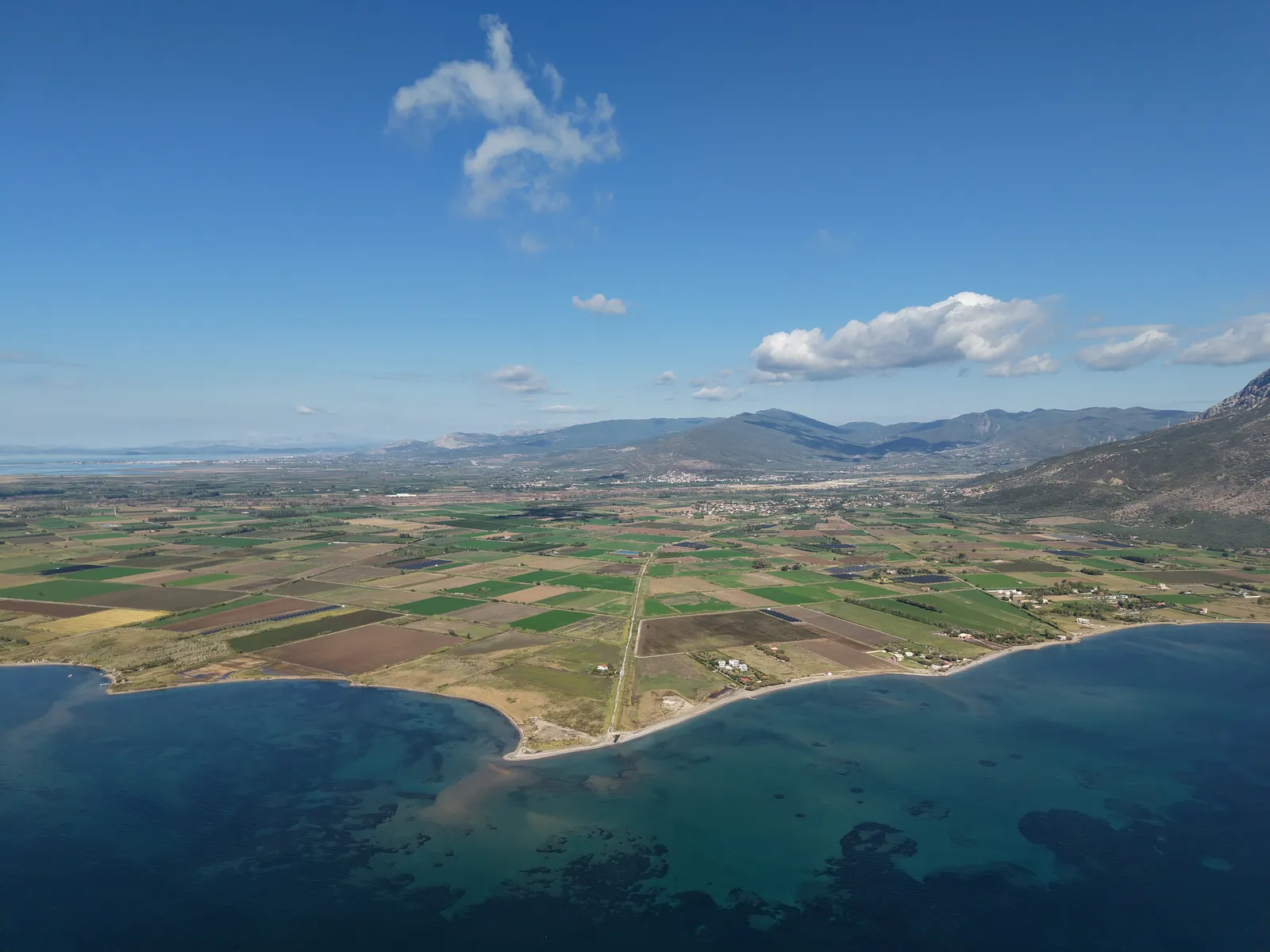
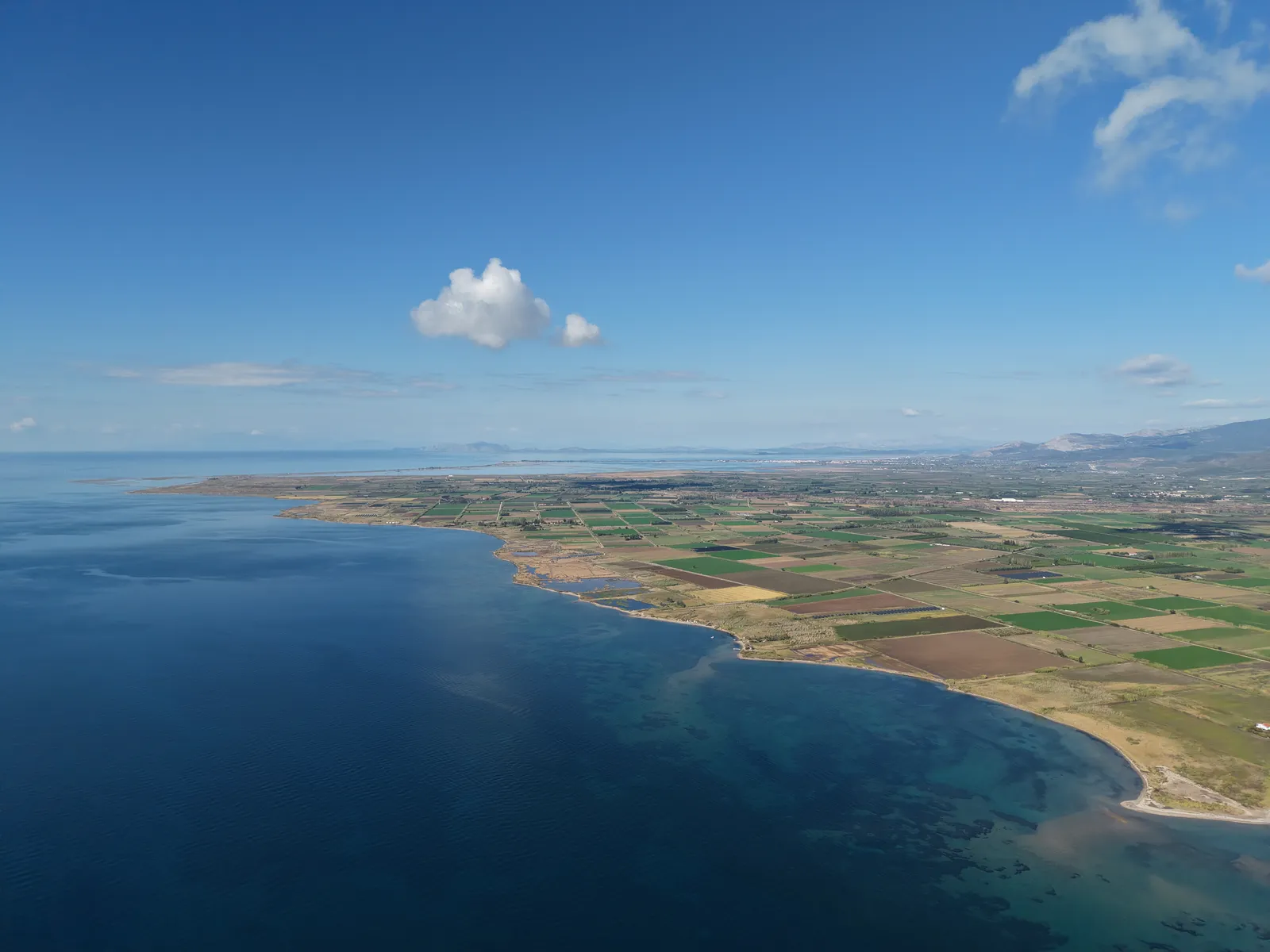
Varasova rises impressively in Aetolia-Acarnania, near the Evinos River and opposite Antirrio. With its summit reaching 917 meters, it forms a striking limestone massif that drops steeply toward the sea, creating landscapes of exceptional natural beauty. Due to its distinctive geomorphology and strategic location, it has been designated as a site of historical and outstanding natural interest.
In the past, it was known as Chalkeia, but the name “Varasova” prevailed in more recent times.
Varasova is not only a natural monument but also a place deeply connected with monasticism and spirituality. From the 9th to the 12th century AD, hermits settled in its caves and steep slopes, founding monasteries and hermitages. During the Byzantine and Ottoman periods, more than 70 chapels and monasteries existed around the mountain—many of which survive today as ruins, adorned with valuable frescoes and architectural elements.
Among them stands out the cave monastery of Saint Nicholas, accessible only by sea, which once formed an organized monastic complex. Equally significant are the hermitage of the Holy Fathers and the monastery of Saint Peter, both serving as living testimonies to the spiritual flourishing of the region.
The mountain combines rocky slopes, caves, forest areas, and steep coastlines, creating a landscape that captivates every visitor. Varasova hosts rare flora, with a characteristic example being the plant Centaurea heldreichii, which is found nowhere else in the world.
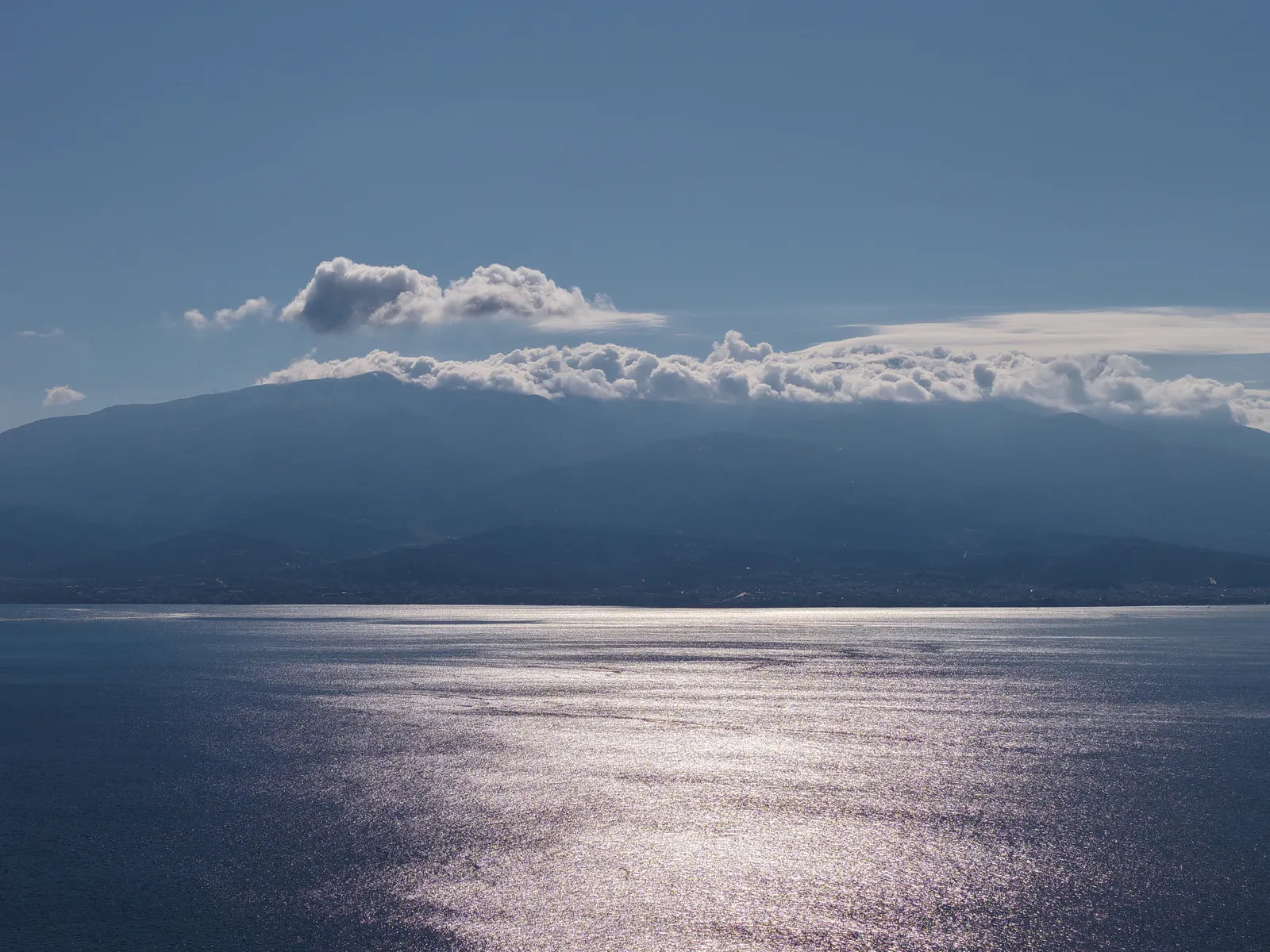
From its peaks, the view stretches across the Ionian Sea, Mount Panaitoliko, Mount Erymanthos, and the mountains of the Peloponnese, offering scenes of unique and breathtaking beauty.
Today, Varasova is a destination that beautifully combines culture, adventure, and relaxation:
Hiking:
Trails starting from villages such as Kato and Ano Vasiliki lead to the “Sfyri” summit, offering magnificent panoramic views along the way.
Climbing:
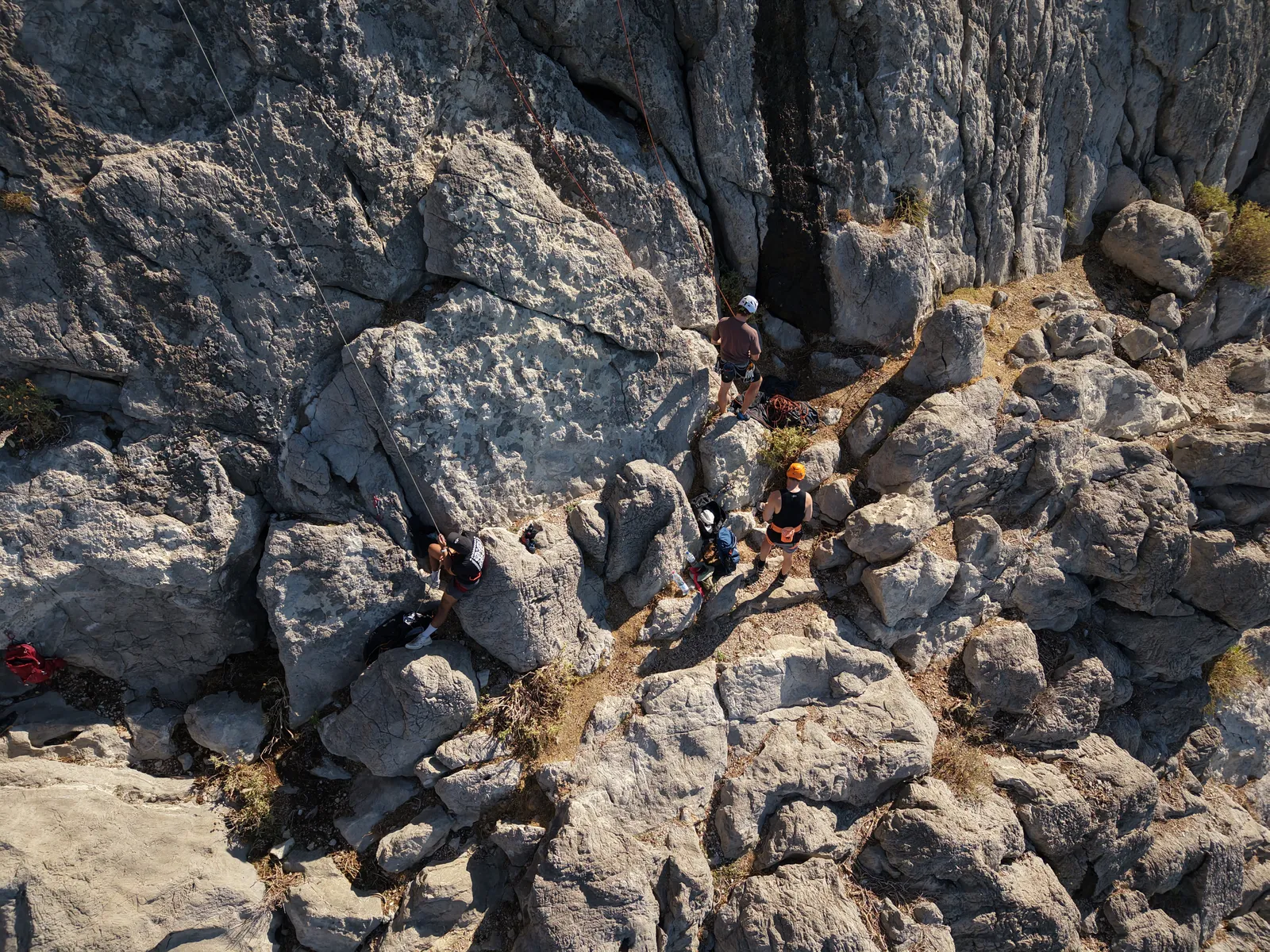
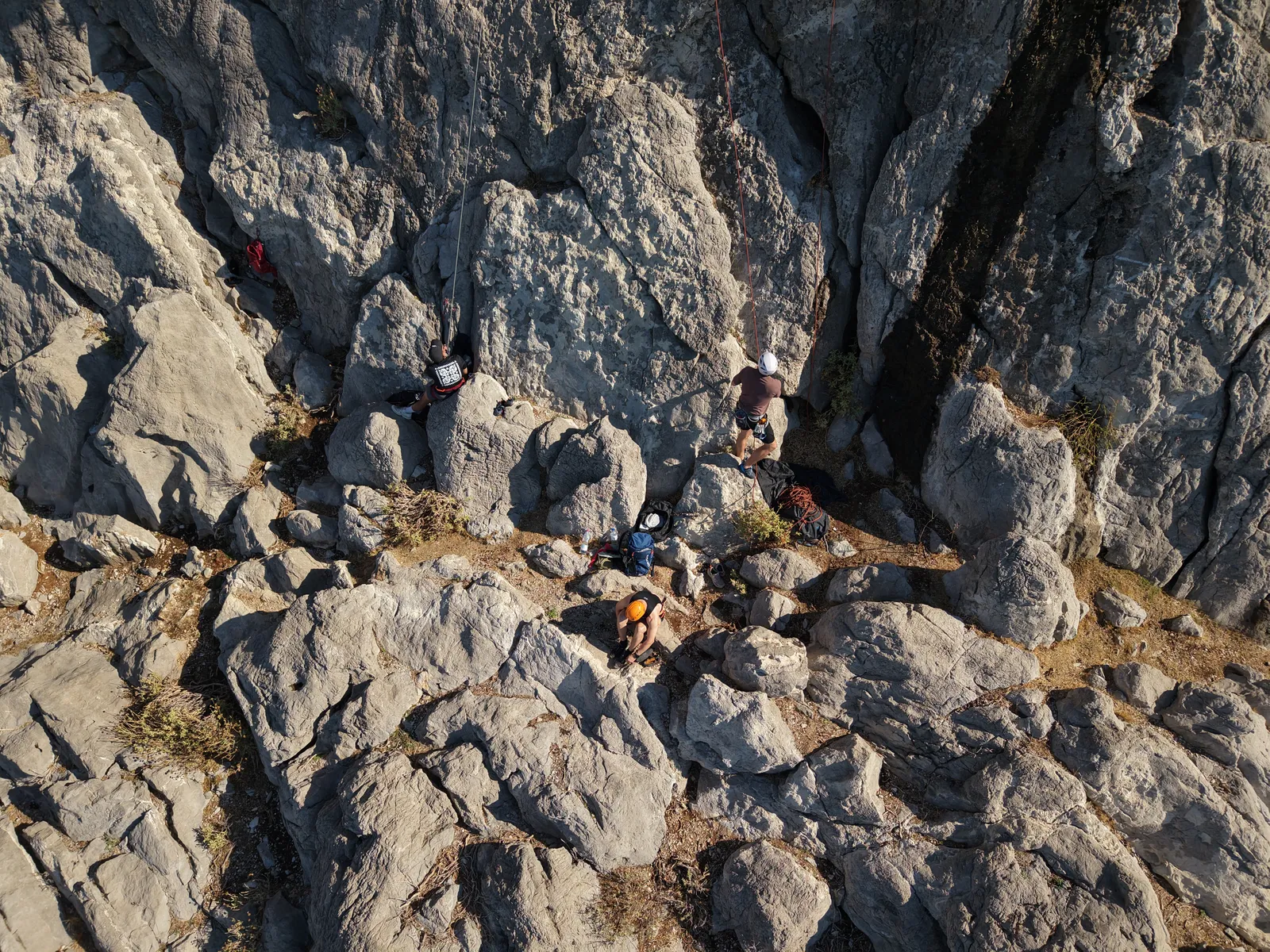
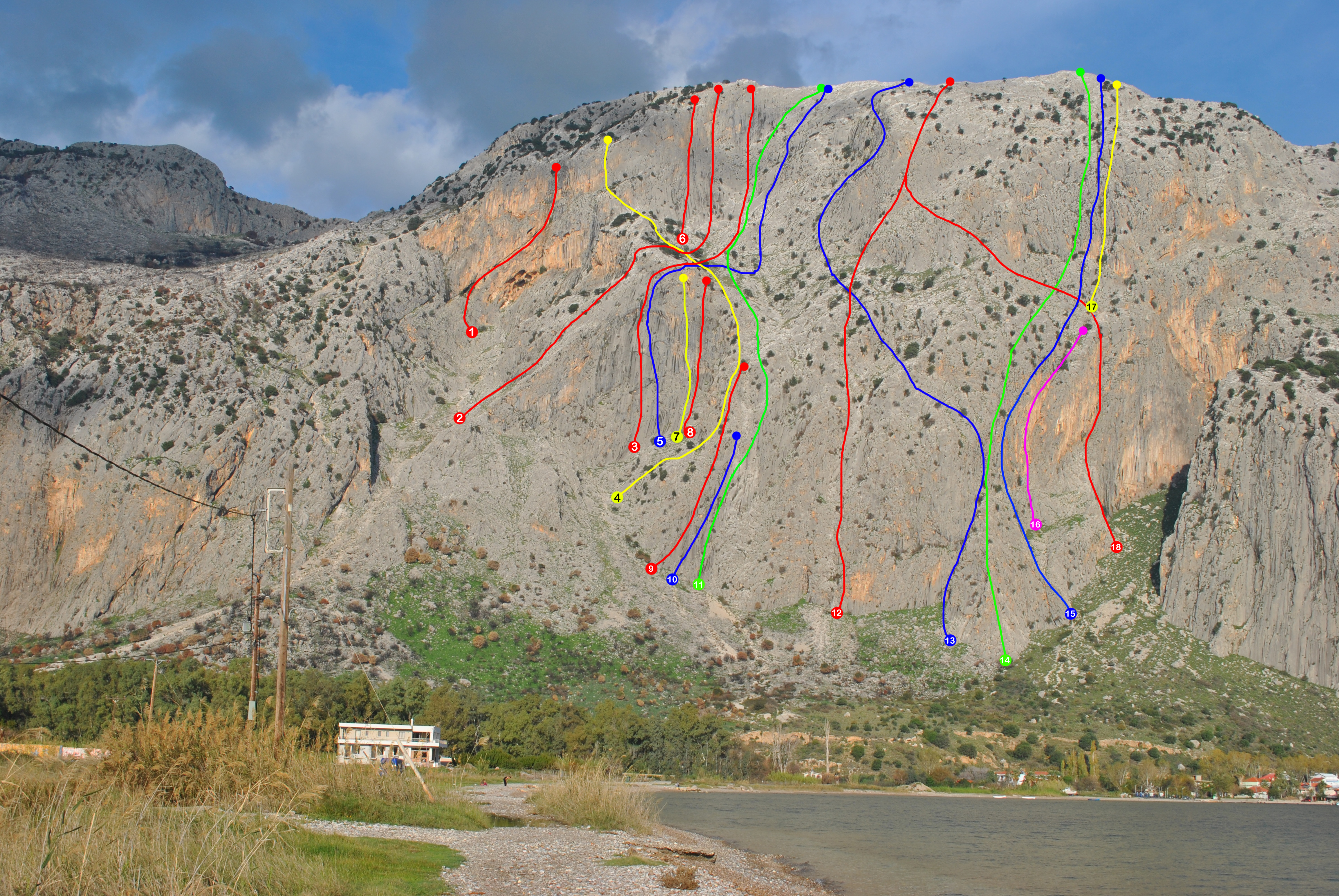
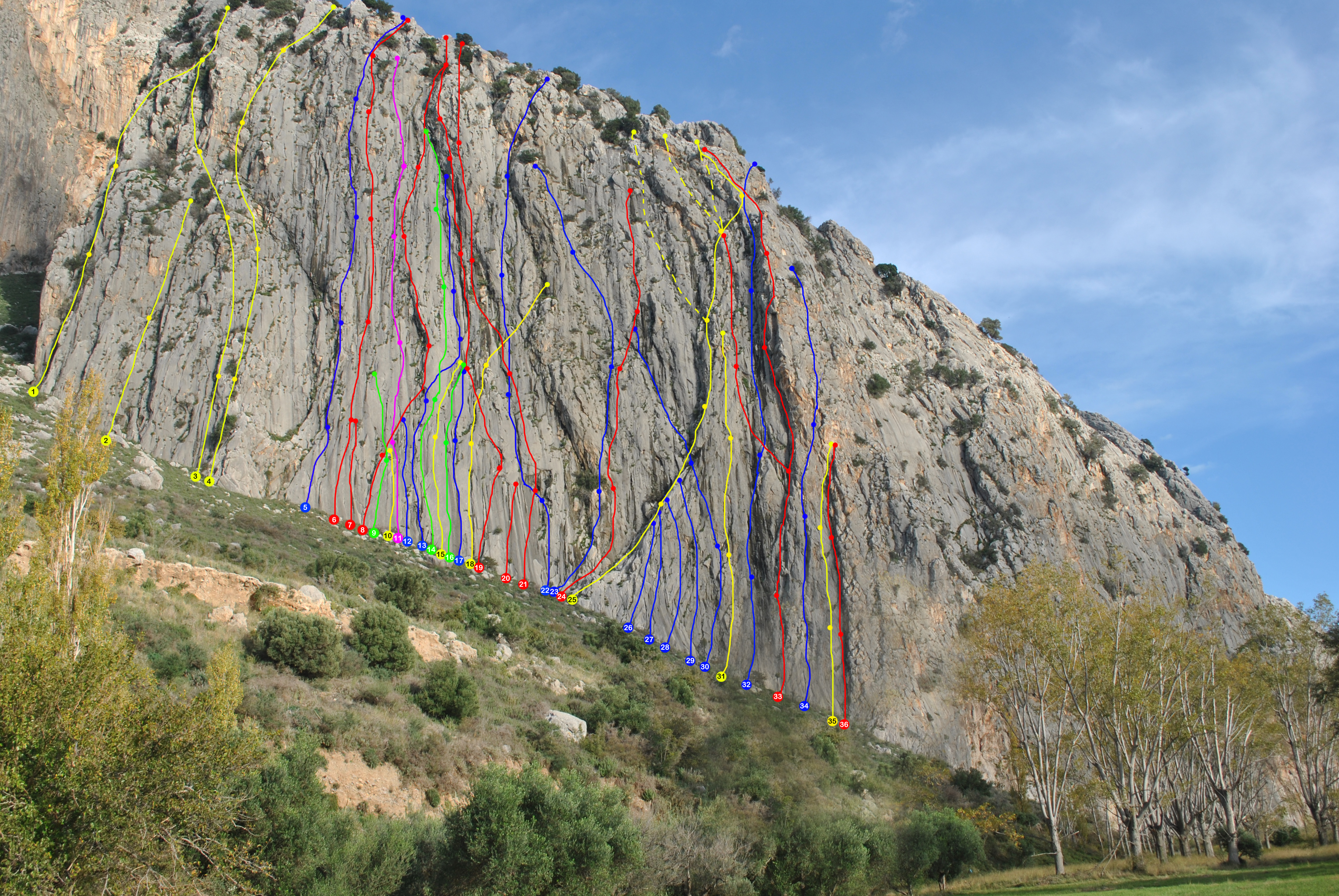
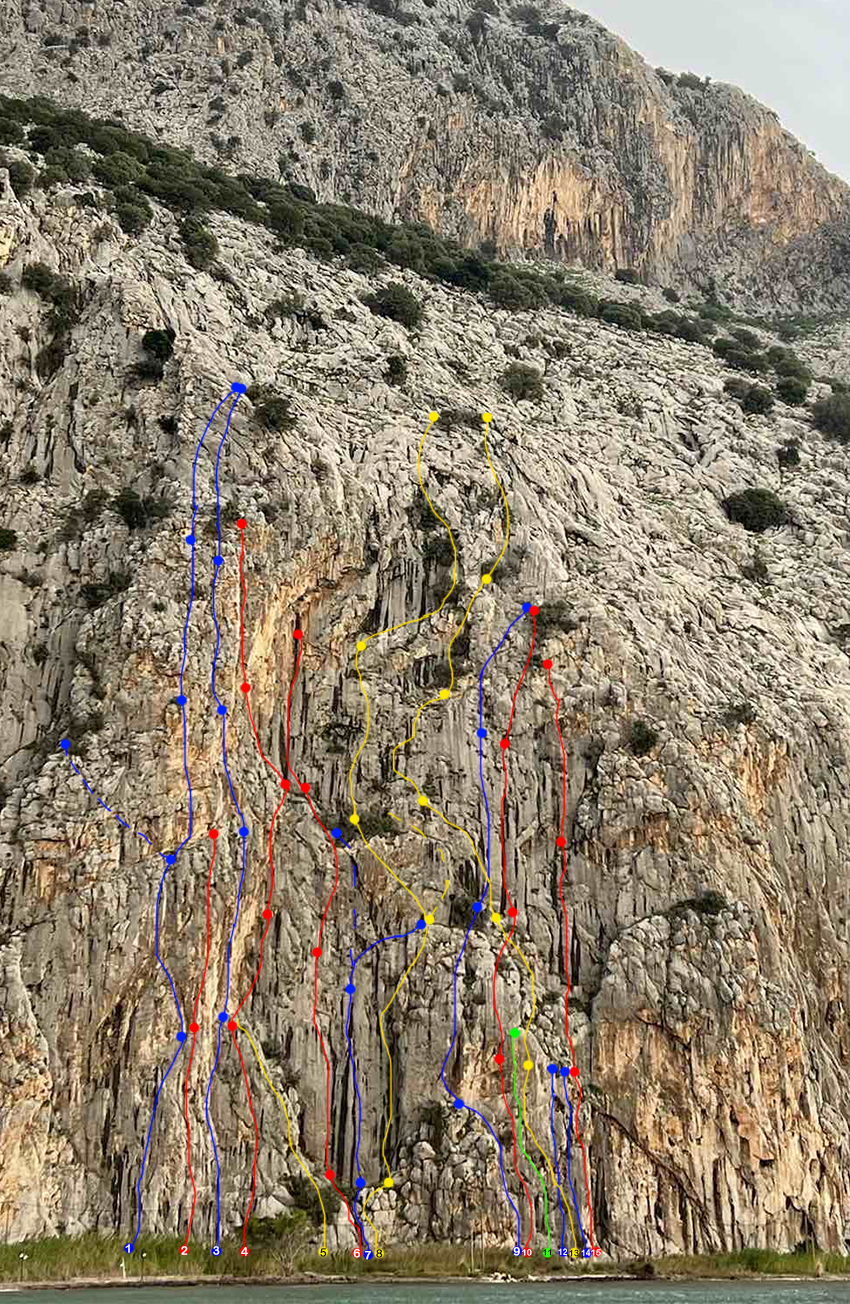
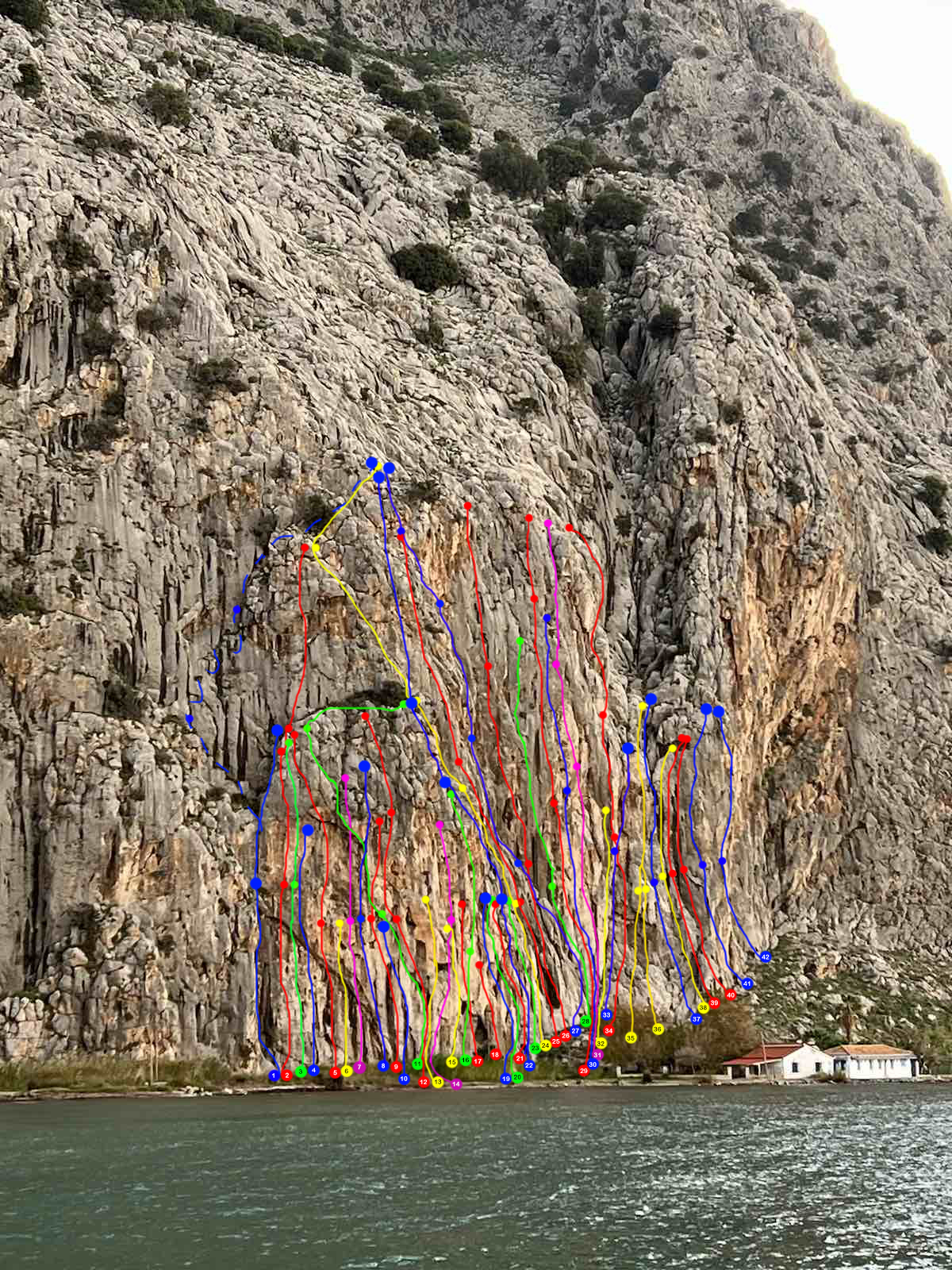
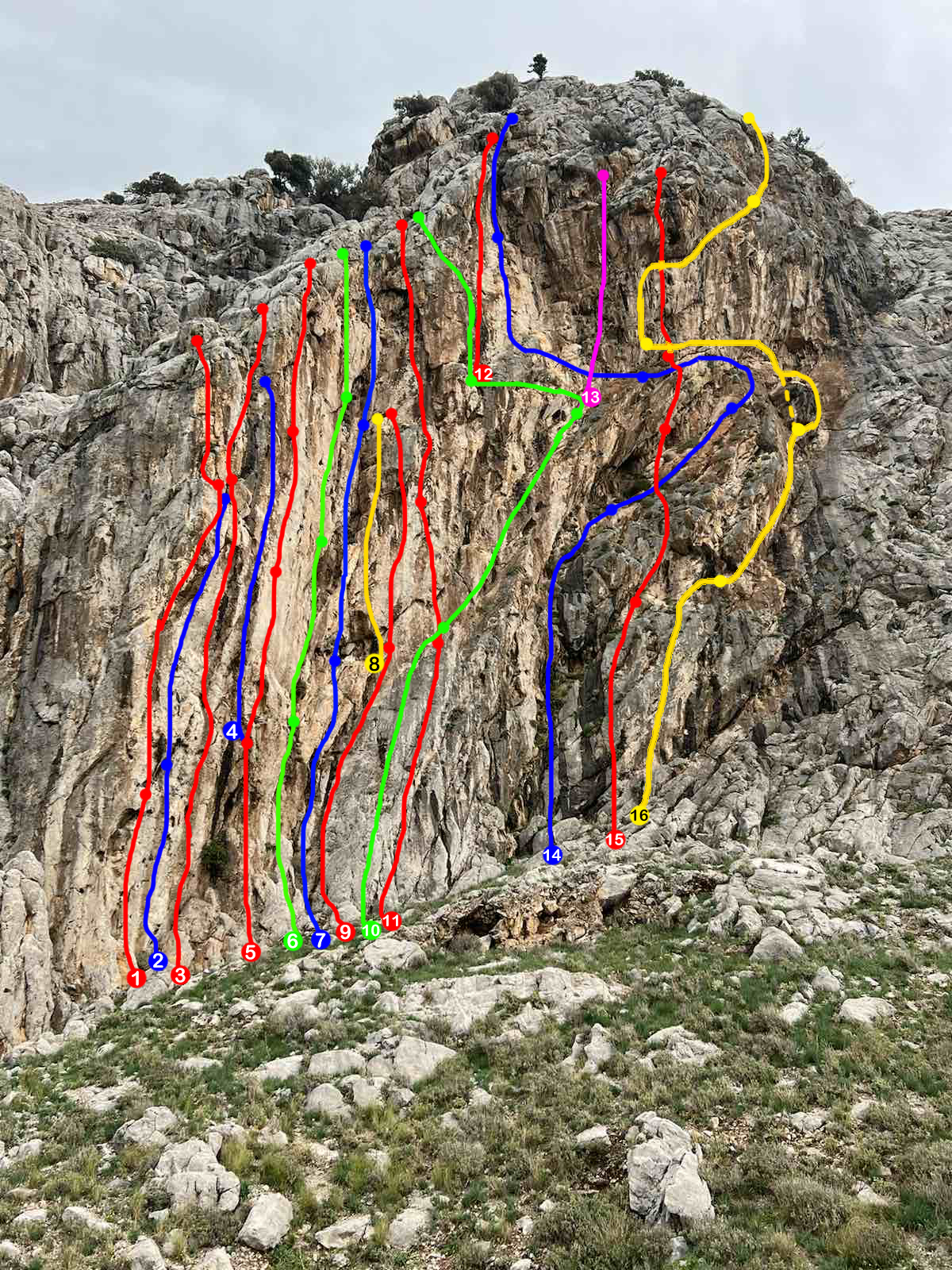
The area is considered a “Mecca” for climbing enthusiasts in Greece, with over 120 routes of varying difficulty levels.
Exploring monuments:
Visitors can discover ancient hermitages and monasteries, explore caves, and experience the region’s rich Byzantine heritage.
Nature & observation:
Its rich biodiversity and unique geology make it an ideal destination for photographers, nature lovers, and researchers alike.
Sea experiences:
The coastline around Varasova offers opportunities for swimming, boat trips, and access to remote cliffside monuments that face only the open sea.
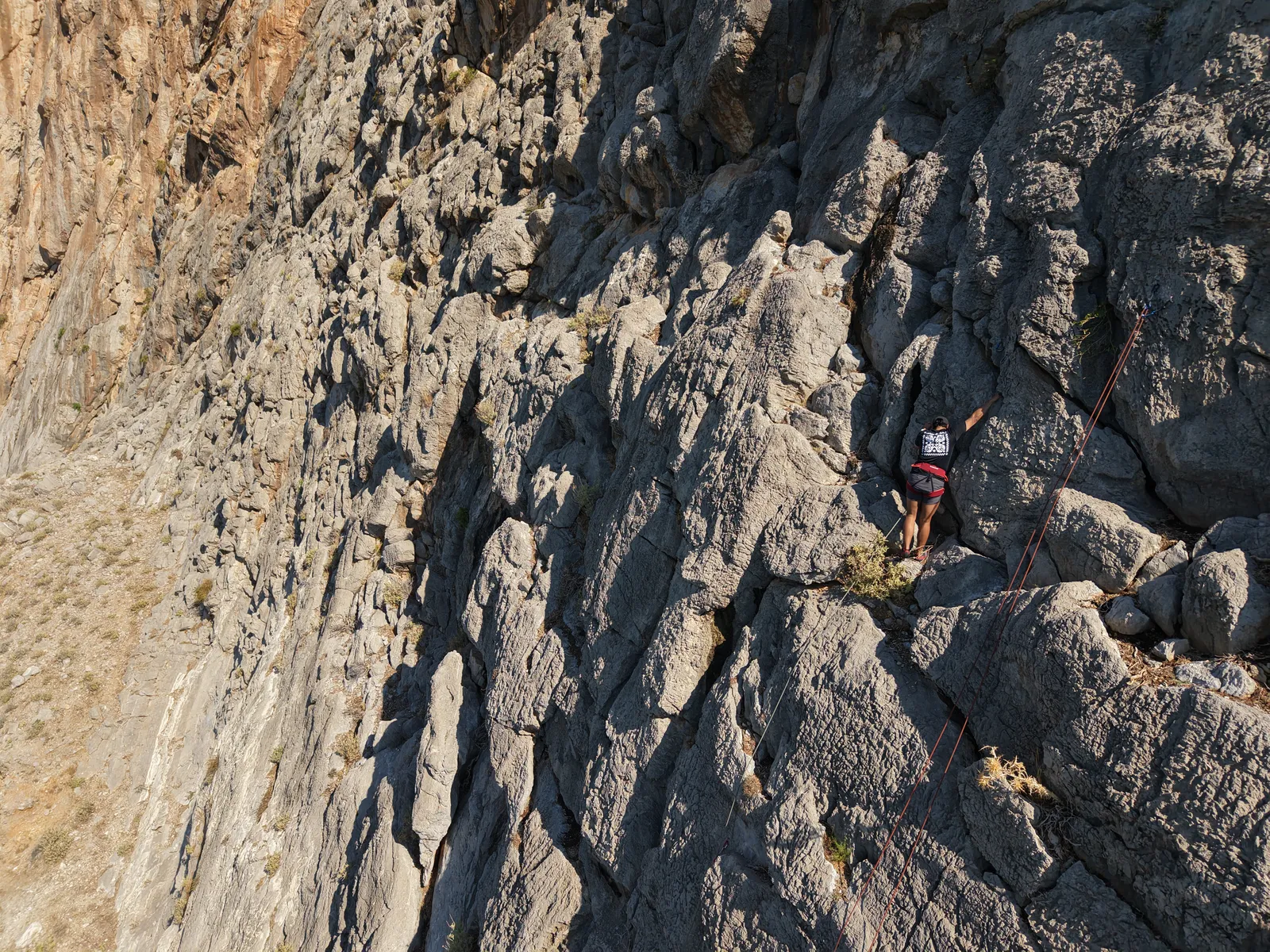
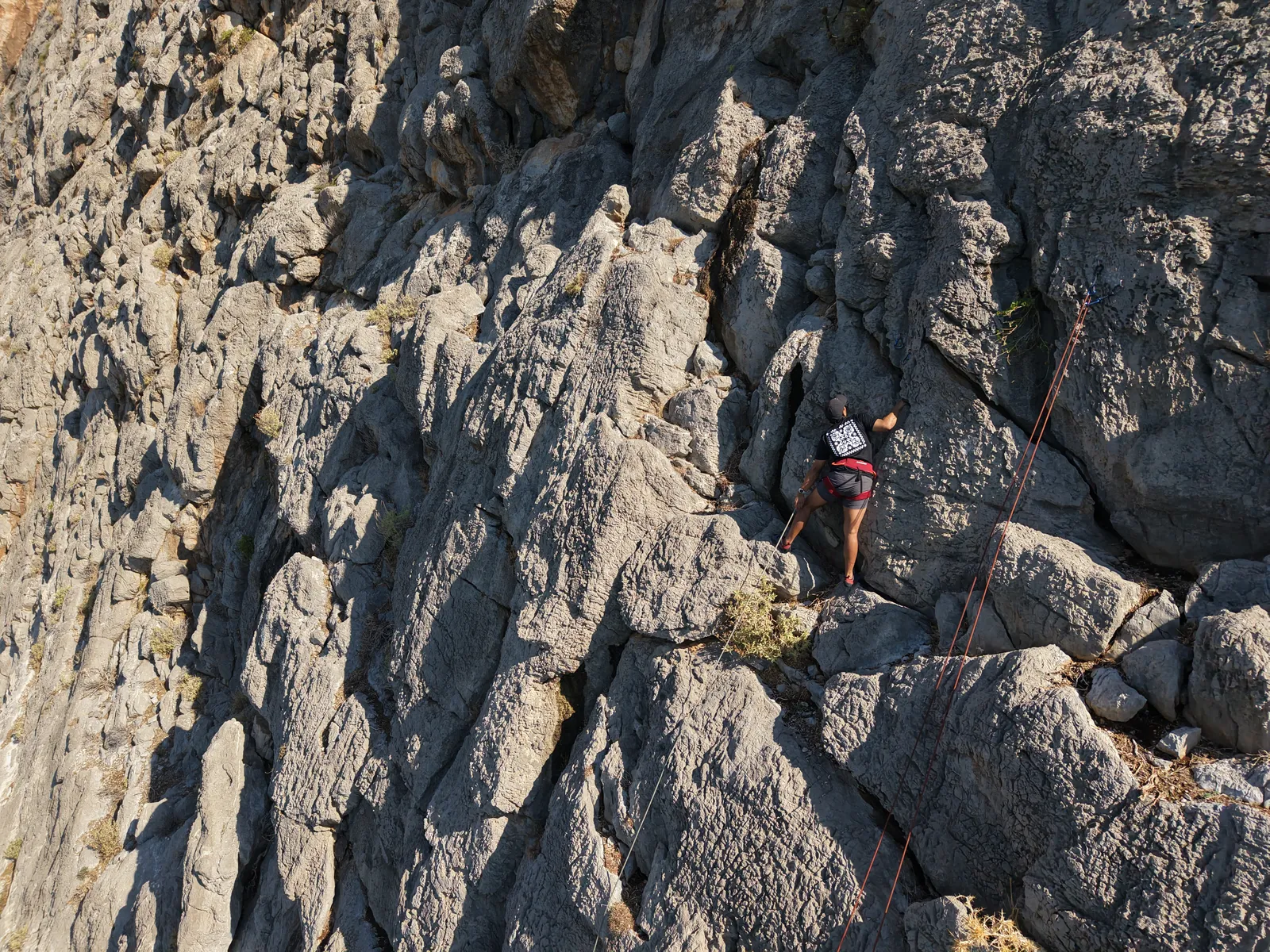
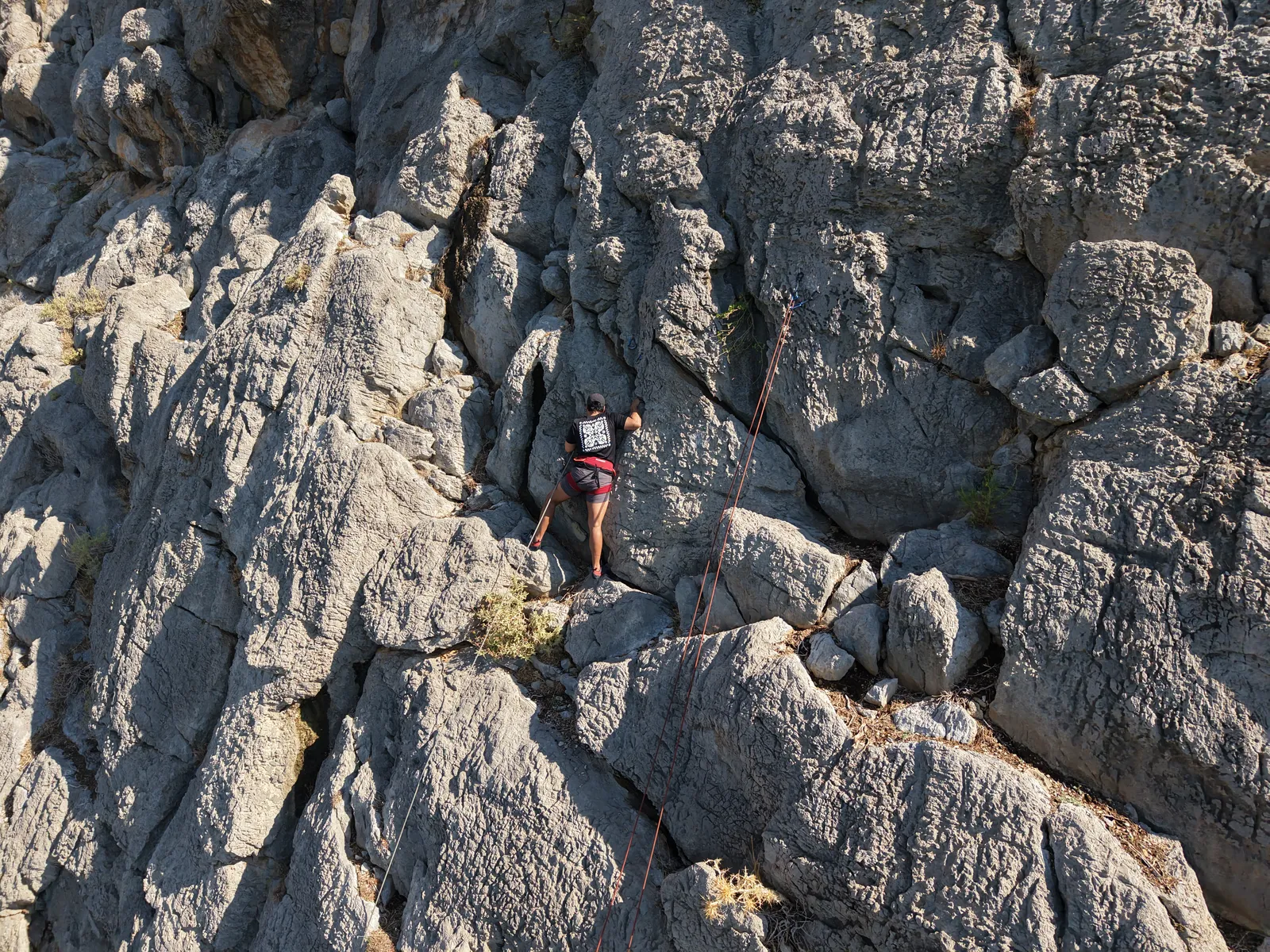
The three peaks of Varasova have almost the same elevation, forming a single, impressive limestone massif. The rock is exceptionally solid and relatively sharp — mainly grey or yellowish high-quality limestone.
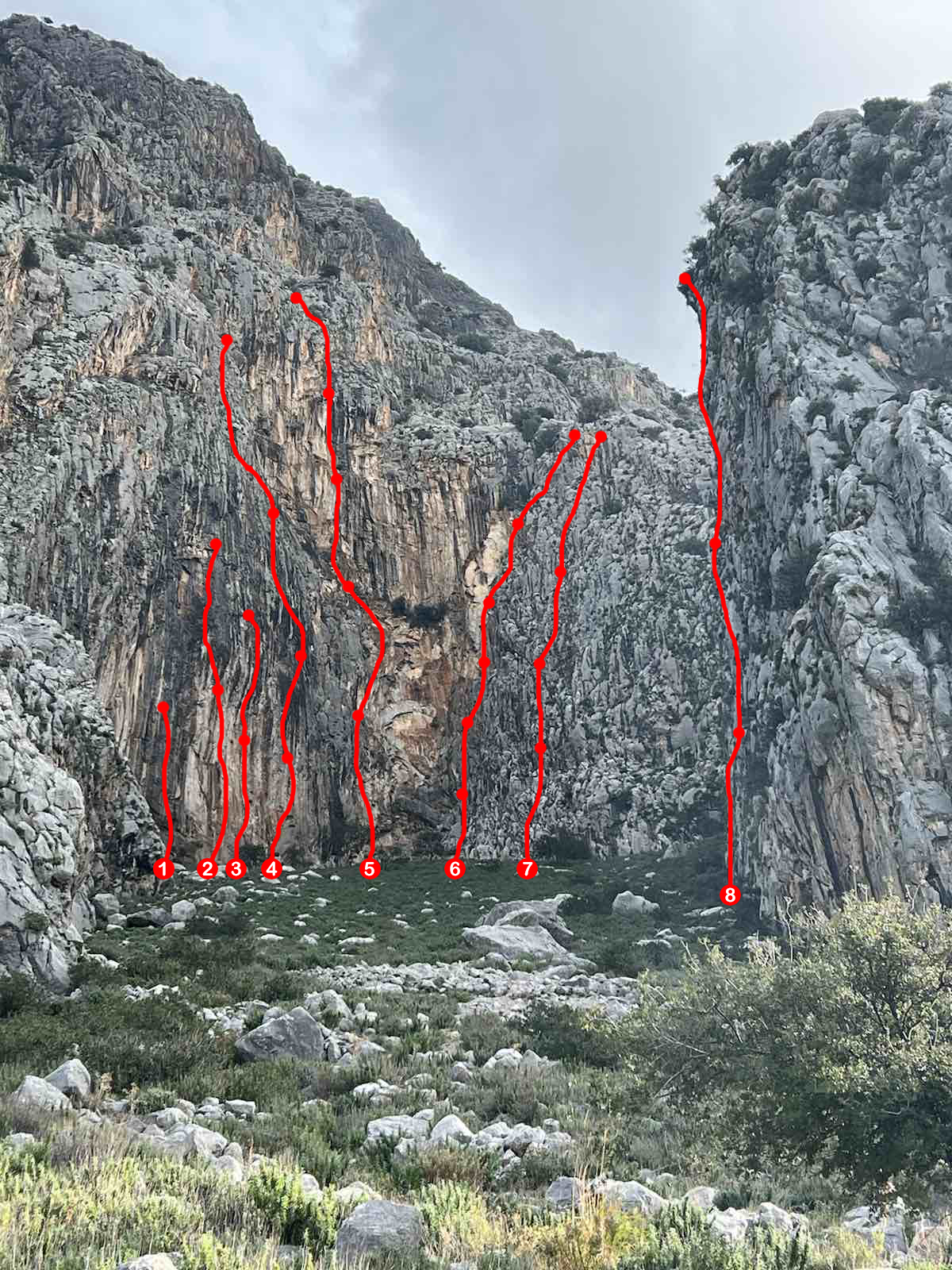
The variety of formations is remarkable: compact walls, steep slabs, corners, vertical cracks, holds, flakes, chickenheads, positive edges, and hidden footholds — all offering a delightful climbing experience high above the deep blue sea.
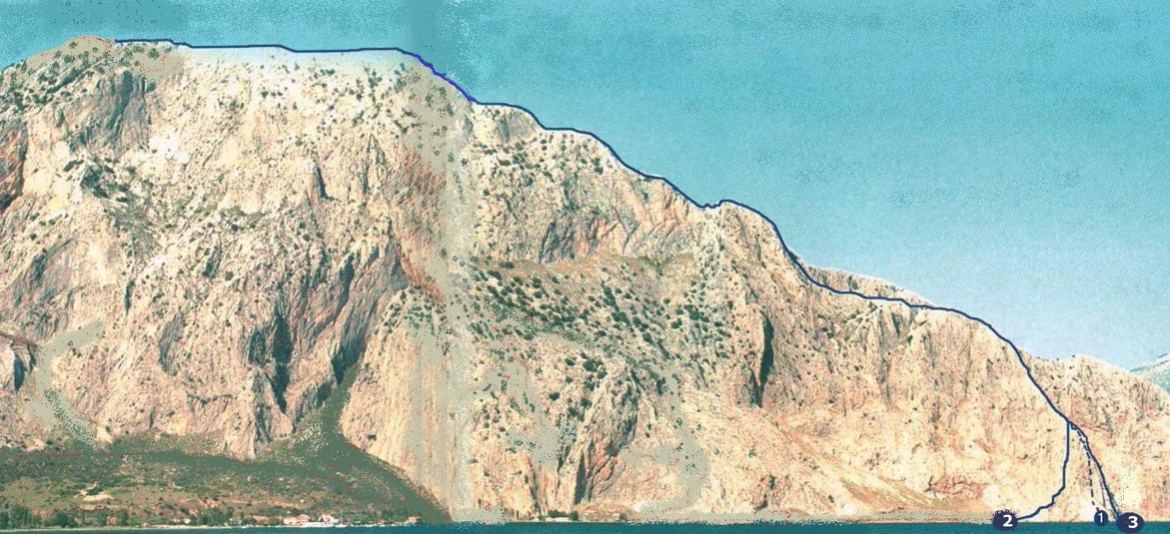
The area features 152 routes, both single-pitch and multi-pitch sport climbs. There are also several adventure/mixed routes (up to 18 pitches), which, in addition to bolts and fixed anchors, require traditional protection using nuts and friends.
In spring, some sections may be covered with vegetation — so a bit of “gardening” might be needed! Although some multi-pitch routes include long runouts, most anchors are bolted and ready for rappelling.
Varasova still offers great potential for new routes, especially sport climbs. The grades range from very easy to very difficult, with the majority falling in the moderate range (5c–6b).

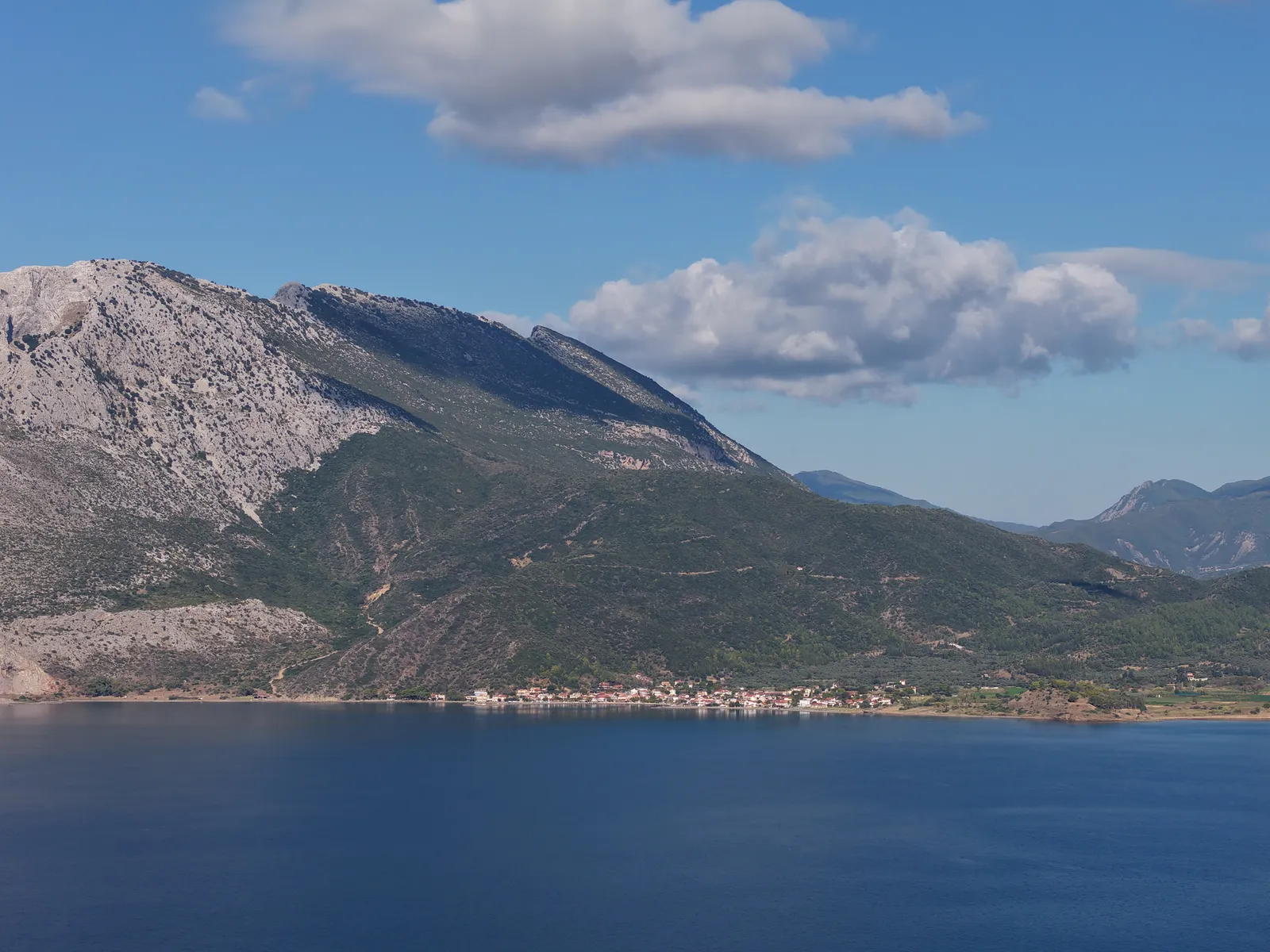
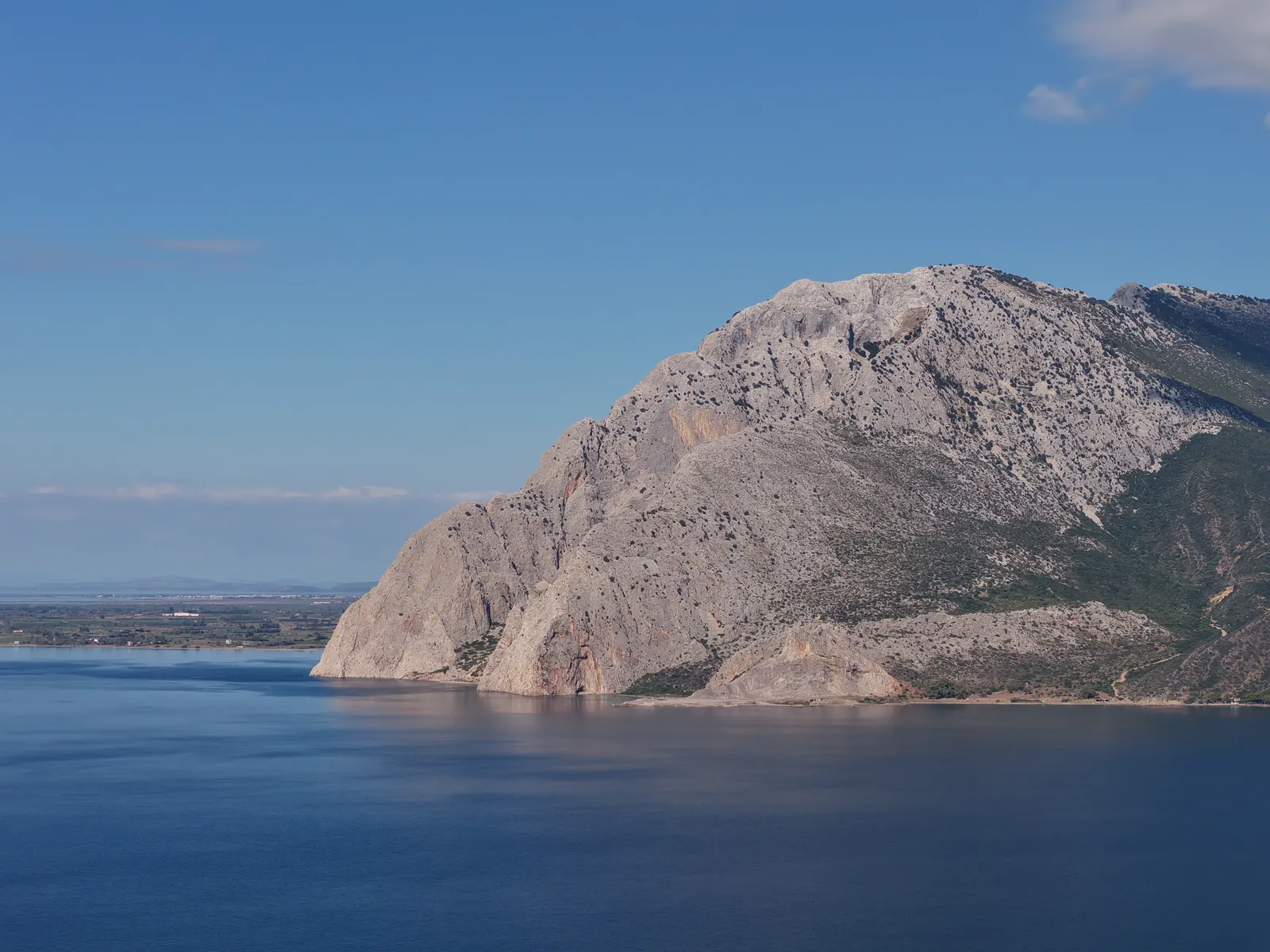
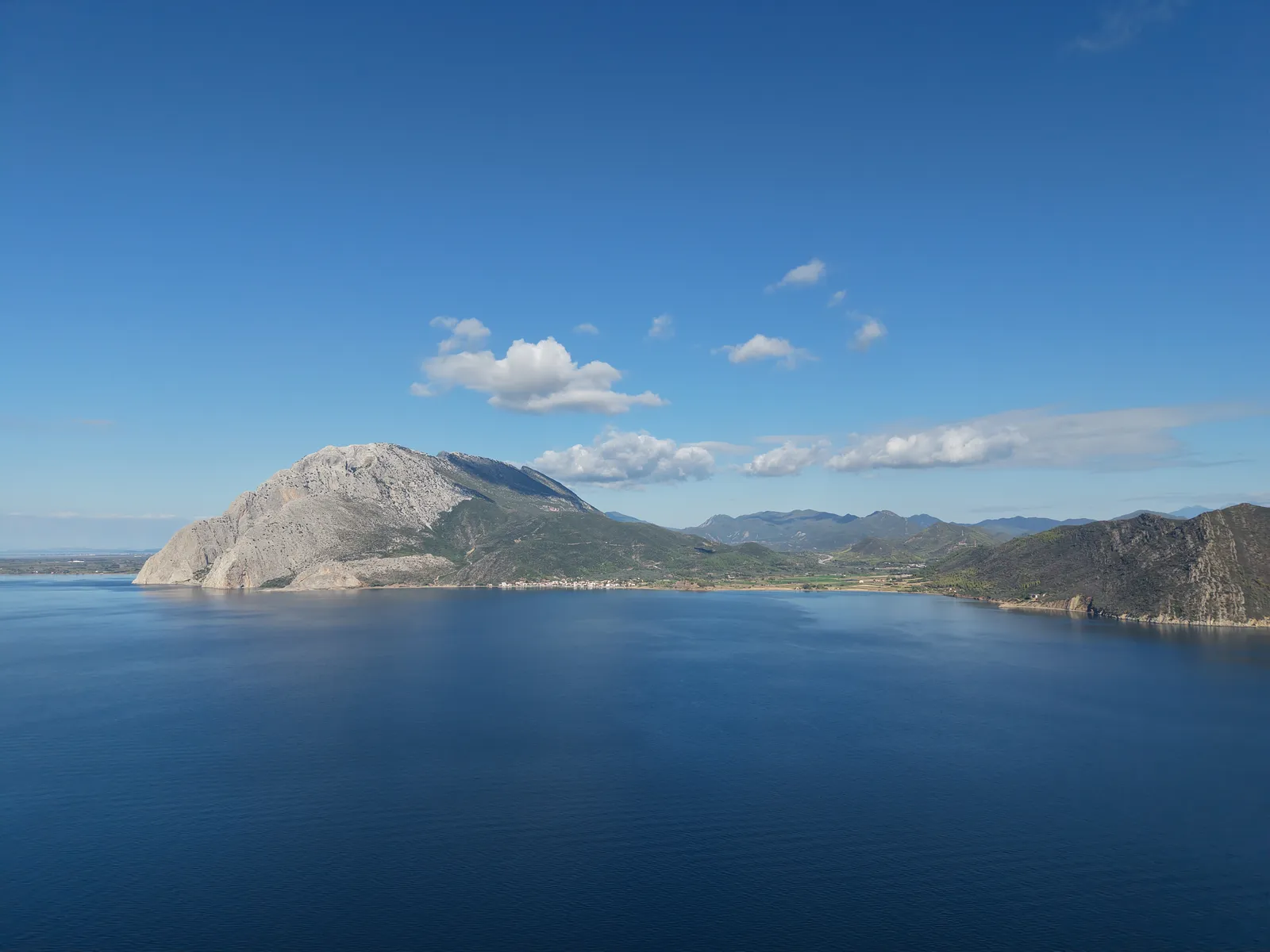

The impressive rock-sheltered cave monastery of Saint Nicholas (Enkleistra) is perched on the southeastern side of Mount Varasova, known as the “Mount Athos of Aetolia” due to the large number of monks who lived in asceticism in the area during the Byzantine period. It lies at an altitude of about 80 meters above sea level, overlooking the entrance to the Gulf of Patras.
Archaeological research revealed the existence of a fortified monastic complex, which hosted a small brotherhood of monks from the 9th to the 19th century. An imposing two-story building with monks’ cells sealed the opening of the cave, while a narrow covered passageway at its midpoint (called diavatiko) provided the only access to the cave’s interior.
The small katholikon (main church) is essentially a single-aisled chapel with a semicircular apse on the eastern side and a stone-paved courtyard to the west. Around it are smaller caves and recesses, housing the auxiliary structures: a water cistern, refectory (Trapeza), storage room (Docheio), hearth/kitchen (Estia–Mageireio), and an oven.
However, the uniqueness of the monument lies in the presence of the “enkleistra” — a small cave within a recess of the rock, located about 10 meters above the main cave. The “enclosed monk” would climb up to it using a wooden ladder and remain there for long periods, dedicating himself to prayer or the writing of ascetic texts. It also served as a shelter for the monks and a safe place for storing the monastery’s valuable objects during sudden pirate raids.
The Cave of Saint Nicholas with its Enkleistra flourished as a spiritual and hermitic center for nearly ten centuries, and it remains a rare monastic complex in the Greek world.
Access to the small cove below the cave is by boat from the harbor of Kato Vasiliki, followed by a 20-minute uphill walk. The view of the cave clinging to the steep mountainside, overlooking the Gulf of Patras and the Ionian Sea, is truly breathtaking.
Adventure